A Complete Guide to Sourcing Forged Components from Vietnam
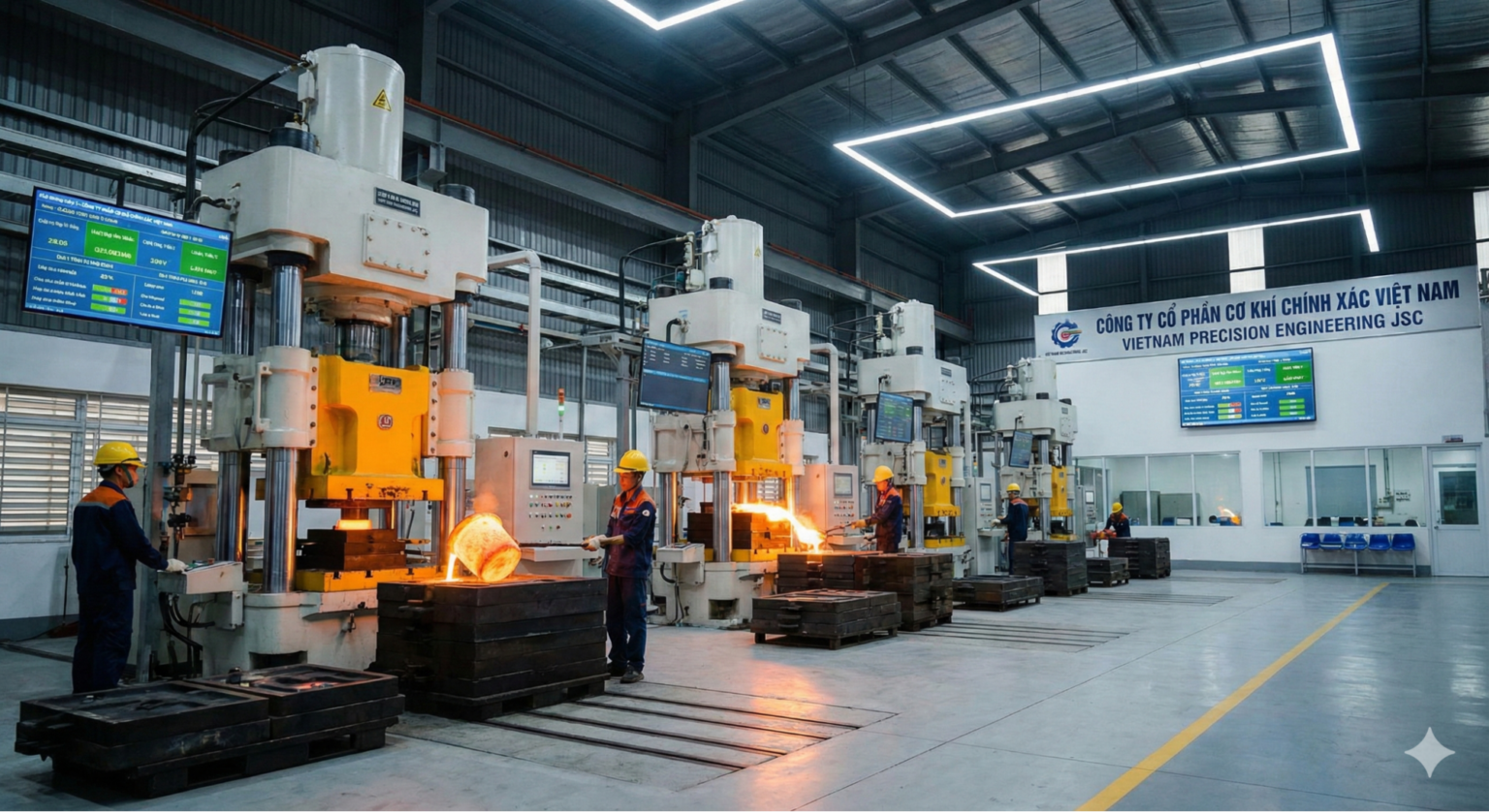
Forged components are a cornerstone of modern manufacturing, providing strength, durability, and precision for industries ranging from automotive to aerospace. As global demand grows, manufacturers are increasingly exploring forging Vietnam as a cost-effective and reliable sourcing option. This guide covers everything you need to know about sourcing forged components from Vietnam, including the benefits, key considerations, and best practices to ensure high-quality, reliable supply.
Why Vietnam Is Emerging as a Forging Hub
Vietnam has rapidly transformed its industrial landscape in the last decade. Favorable government policies, a growing skilled workforce, and investment in modern manufacturing infrastructure have made it a competitive alternative to traditional suppliers in China and India. Key reasons to consider Vietnam include:
- Cost-Effective Manufacturing: Labor costs in Vietnam remain lower than in many developed countries, offering significant savings without compromising on quality
- Strategic Location: Vietnam’s proximity to major shipping routes in Southeast Asia ensures efficient logistics and reduced lead times
- Skilled Workforce: The country has a rapidly growing pool of trained engineers and technicians experienced in forging and metalworking
- Investment in Technology: Vietnamese manufacturers are increasingly adopting CNC machining, precision forging presses, and quality control systems that meet international standards
Understanding Forged Components
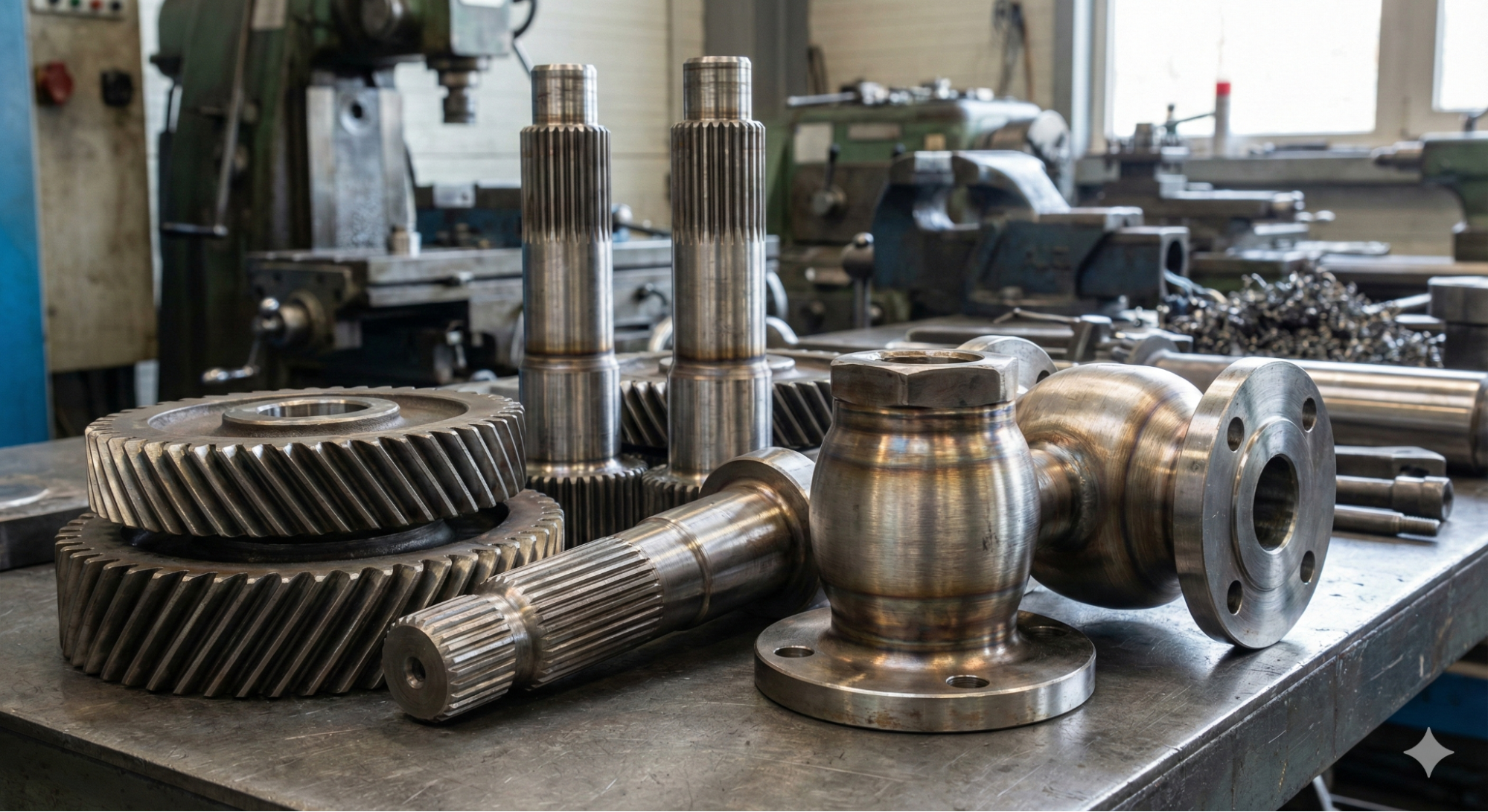
Forging is a manufacturing process in which metal is shaped using compressive forces, often at high temperatures. Unlike casting or machining from solid stock, forging aligns the internal grain of the metal, improving strength, durability, and fatigue resistance. Common forged components include:
- Automotive parts such as crankshafts, gears, and connecting rods
- Aerospace components like turbine shafts and landing gear parts
- Industrial machinery components including valves, couplings, and heavy-duty fasteners
Vietnamese suppliers specialize in a range of forging methods, including open-die forging, closed-die forging, and hot/cold forging, catering to diverse industrial requirements.
Benefits of Sourcing Forged Components from Vietnam
1. High Quality at Competitive Prices
Vietnamese forging companies often provide components that meet international standards such as ISO 9001 and IATF 16949. By leveraging cost-efficient labor and modern facilities, suppliers can offer competitive pricing without compromising on quality.
2. Flexibility in Order Volume
Whether you require small batches for prototyping or large-scale production runs, Vietnamese manufacturers can accommodate various order sizes. Many suppliers also offer customization, allowing for unique dimensions, tolerances, and surface finishes.
3. Reduced Lead Times
With shorter shipping distances within Asia and strong domestic manufacturing capabilities, sourcing from Vietnam can reduce lead times compared to suppliers in Europe or North America.
4. Strong Export Infrastructure
Vietnam has developed a robust export infrastructure, including ports, logistics providers, and free trade agreements with countries such as the EU and the US, facilitating smoother international transactions.
How to Select the Right Supplier
Choosing the right forging supplier is crucial to ensure product quality, timely delivery, and cost-effectiveness. Key factors to evaluate include:
Certification and Compliance
Verify that the supplier adheres to international quality standards such as ISO 9001, IATF 16949, or specific aerospace certifications if applicable. These certifications indicate a commitment to quality control and process consistency.
Technical Capabilities
Assess whether the supplier has the necessary forging technology to meet your specifications. For example, high-strength steel components may require closed-die forging and advanced heat treatment processes.
Production Capacity
Ensure the supplier can handle your order volume, both for initial orders and potential scaling in the future. Understanding their production capacity prevents delays and ensures consistent supply.
Track Record and References
Request case studies or references from other clients in your industry. A proven track record with similar components provides confidence in the supplier’s reliability.
Communication and Support
Effective communication is vital, especially for complex components. Choose a supplier who is responsive, transparent, and capable of providing technical support during design, prototyping, and production phases.
Common Challenges and How to Overcome Them
- Language and Cultural Barriers: While English is commonly used in business, differences in communication styles can create misunderstandings. Clear documentation, visual aids, and frequent check-ins help bridge this gap
- Quality Consistency: Some smaller manufacturers may struggle with consistent quality. Mitigate this risk by choosing certified suppliers, conducting audits, and specifying rigorous quality control procedures
- Regulatory Compliance: Ensure that imported components comply with your country’s safety and regulatory standards. Partnering with suppliers experienced in international export reduces potential compliance issues
Conclusion
Forging Vietnam offers manufacturers a strategic opportunity to access high-quality, cost-effective forged components with flexibility in production and shorter lead times. By carefully selecting suppliers, clearly defining specifications, and implementing quality assurance practices, companies can successfully integrate Vietnamese forged components into their supply chain. For manufacturers looking to optimize procurement and ensure reliable supply, forging Vietnam is a smart and efficient choice that balances quality, cost, and operational efficiency.