
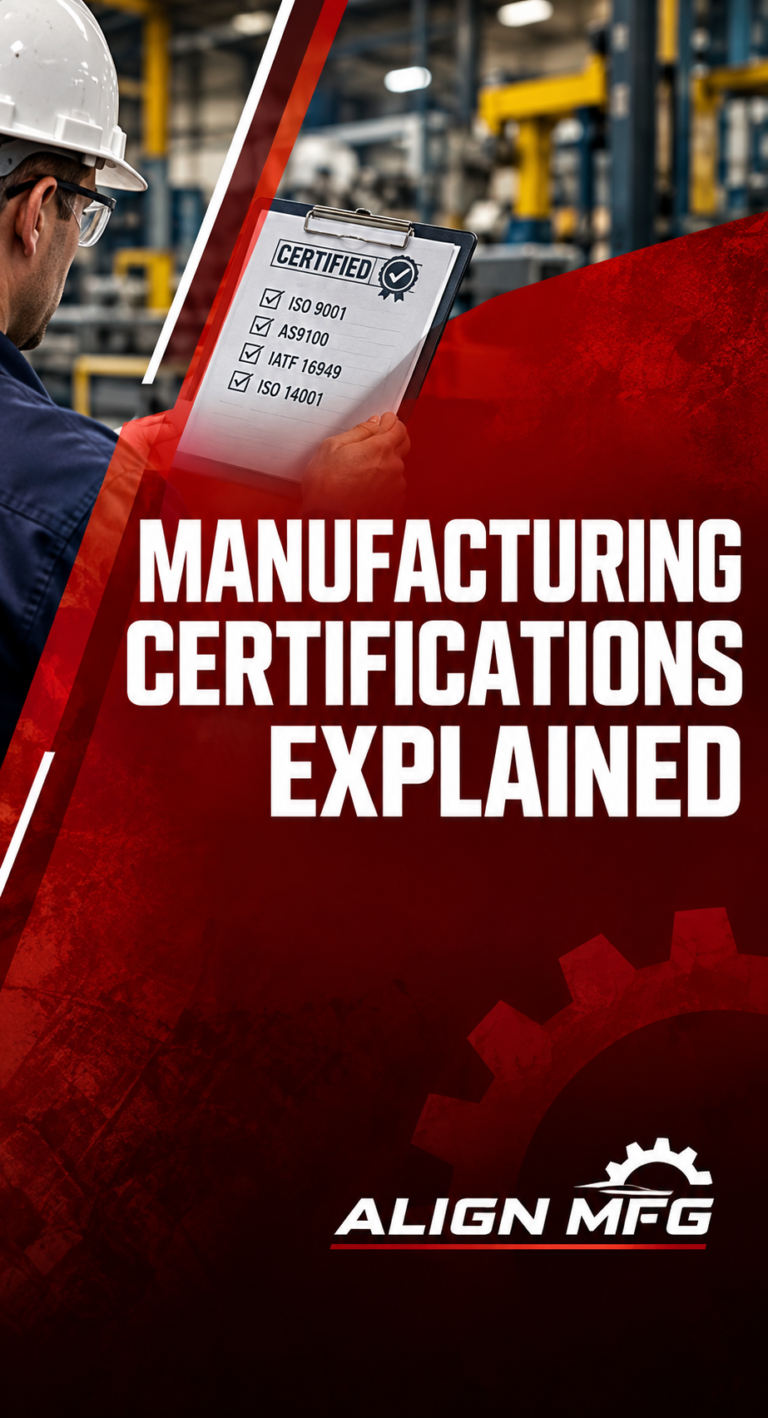
A certificate on the wall does not make a good part. But in many industries, a part made without the right certificate behind it cannot be sold at all. At Align Manufacturing, we source castings, forgings, machined parts and silicone components for customers in oil and gas, automotive, rail, trucking and trailer, construction, food and…
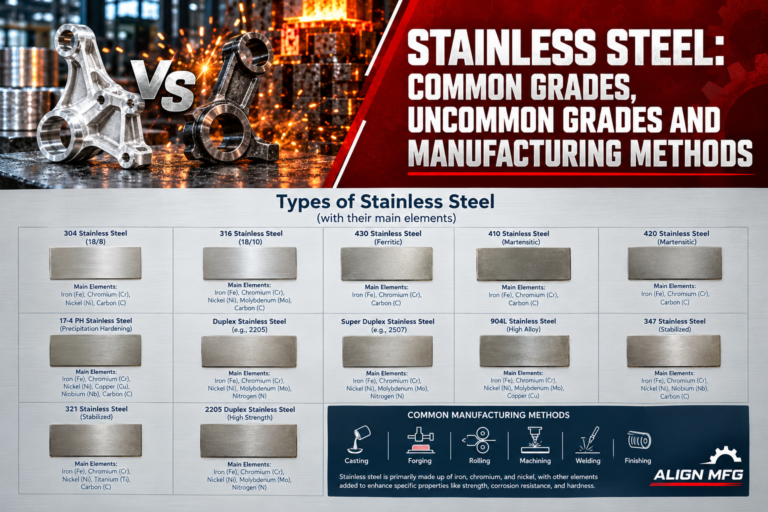
What makes steel “stainless” Steel becomes stainless when it contains at least 10.5% chromium. The chromium reacts with oxygen to form a passive layer on the surface only a few nanometres thick. If that layer is scratched, it re-forms on its own in the presence of air. That self-healing layer is why stainless resists rust…
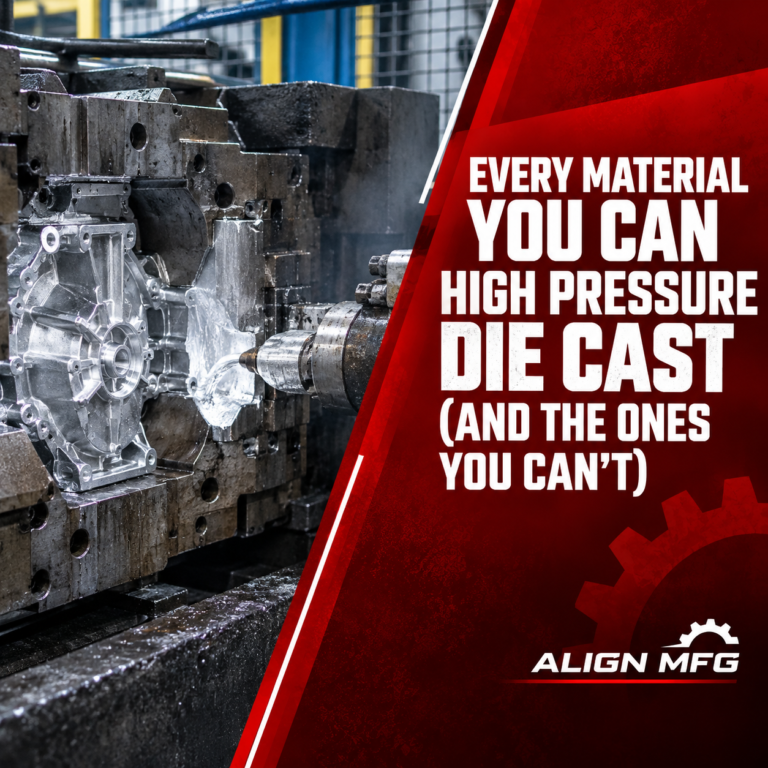
High pressure die casting (HPDC) forces molten metal into a hardened steel die at pressures from 1,500 to 25,000 psi and holds it there until it solidifies. The process is fast, repeatable, and produces thin walls and tight tolerances that sand and investment casting cannot touch. But it only works with a narrow family of…
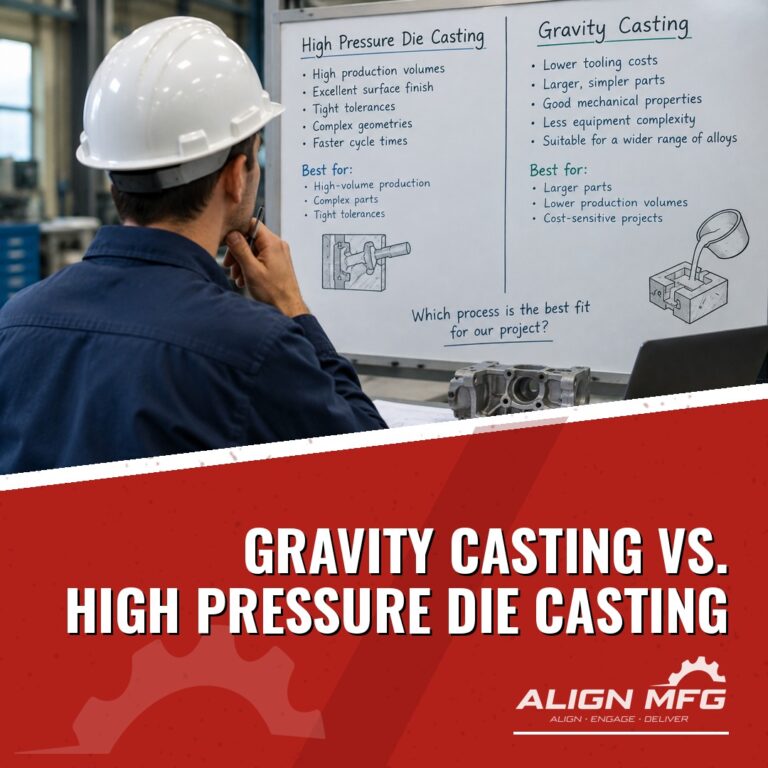
Two of the most common ways to turn molten aluminum into a finished component are gravity casting and high pressure die casting. They sound similar, and both use a permanent metal mould, but they produce different parts, at different costs, for different volumes. Pick the wrong one and you either overpay for tooling you will…
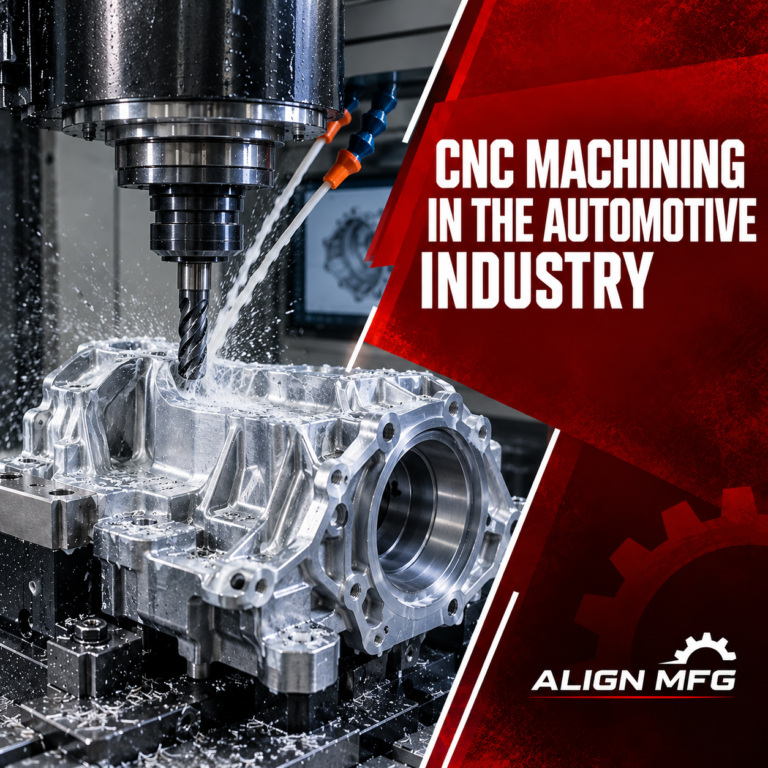
Plenty of shops can machine a good automotive part. Far fewer can machine 220,000 of them a year, every year, holding tolerances measured in microns and defect rates measured in parts per million. Here is what separates automotive-capable CNC manufacturing from general machining: the certifications that get you in the door, the process discipline behind tight tolerances, the materials that dominate vehicle programs, and the quality systems and automation that make high volume production hold both tolerance and price.
If you need a shorter one for the meta description (under 160 characters): “What it takes to CNC machine automotive parts at scale: IATF 16949, micron tolerances, material control, PPM-level quality, and high volume economics.”
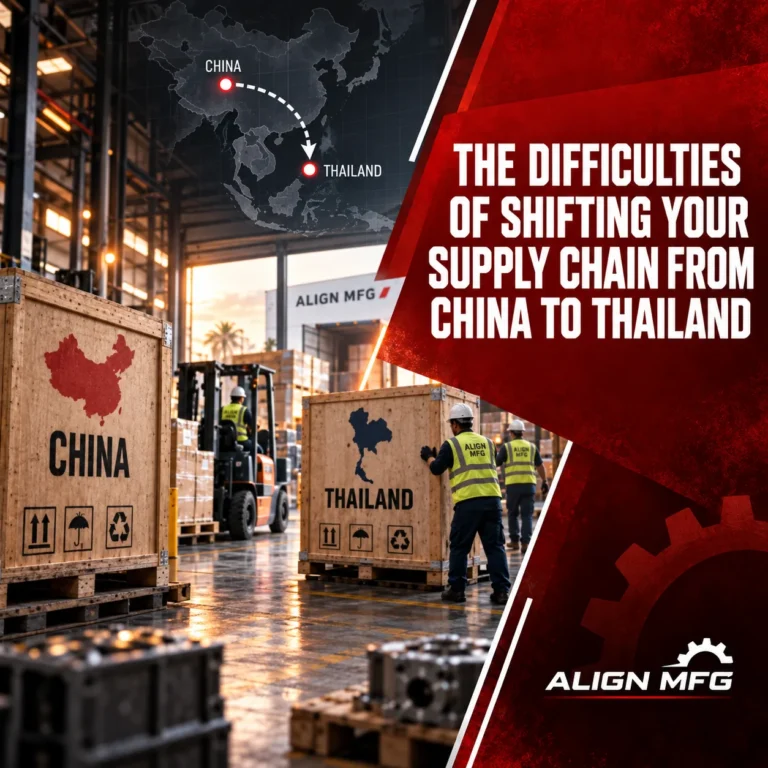
Every week we talk to sourcing managers who have been told to “get out of China” by their board, their customers, or a tariff bill that landed harder than expected. Most of them have already sat through the webinars promising that Thailand and Vietnam are drop-in replacements. They are not. After years of moving forged,…
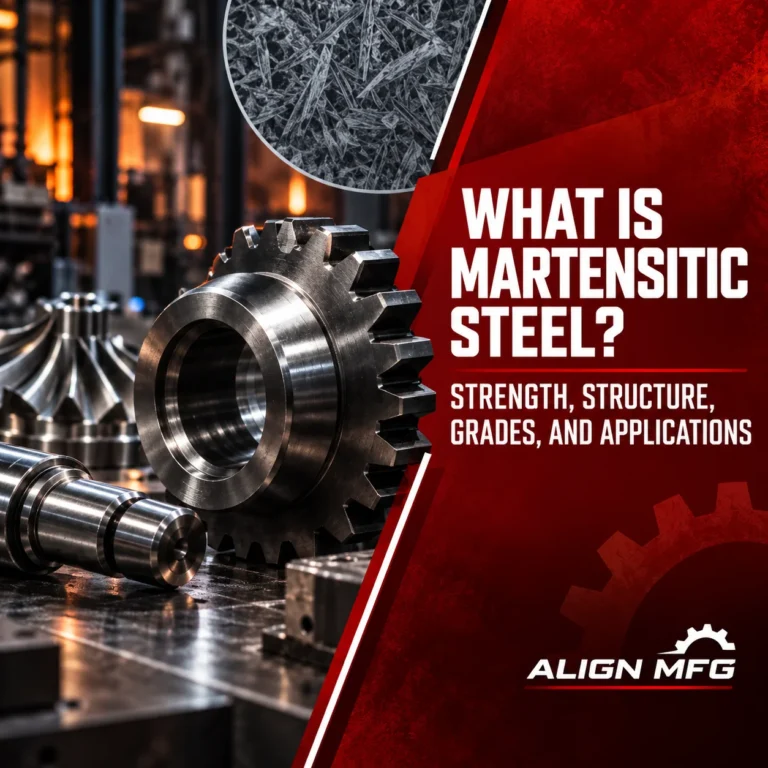
When companies look beyond traditional manufacturing hubs, they increasingly discover that Vietnam gravity casting offers a uniquely advantageous mix of cost, capability, and flexibility. As global demand grows for precision-cast metal parts, Vietnam is quietly emerging as a go-to destination. In this article, we explore why gravity casting in Vietnam deserves more attention than it…
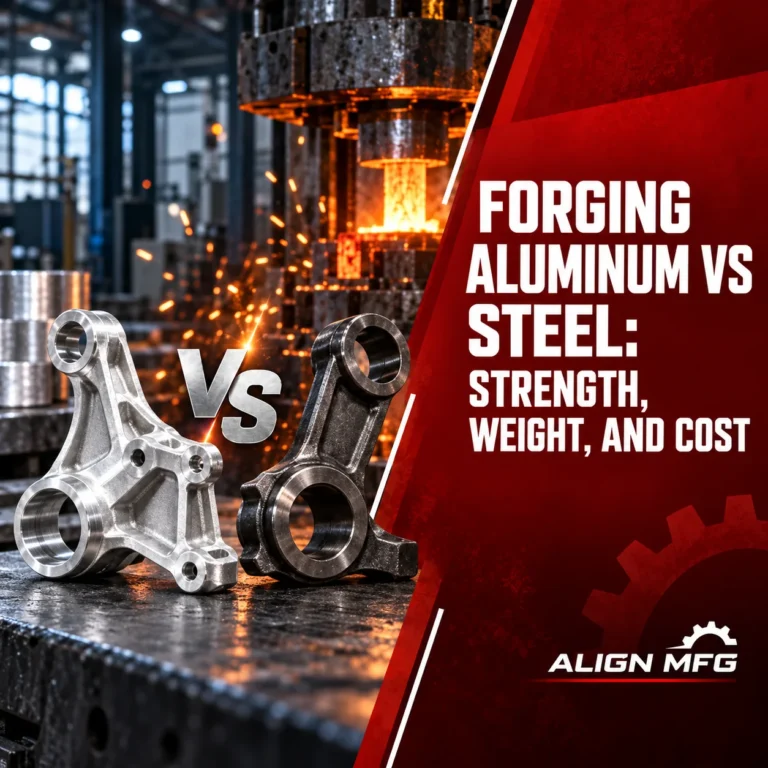
As global manufacturing evolves, companies are increasingly seeking reliable, cost-efficient destinations for high-precision component production. Many businesses are now exploring metal stamping Vietnam as a strategic alternative to traditional manufacturing hubs, thanks to the country’s growing industrial capabilities, competitive pricing, and improving export infrastructure. This article explores why shifting your metal stamping production to Vietnam…
Global supply chains are under pressure from geopolitical shifts, rising freight costs, and changing customer expectations. For manufacturers seeking resilient, cost-effective production outside traditional hubs, sand casting Vietnam offers a compelling combination of capacity, flexibility, and proximity to key Asian markets. When deployed strategically, Vietnam-based sand casting can reduce lead-time risk, diversify supplier exposure, and…
Forged components are a cornerstone of modern manufacturing, providing strength, durability, and precision for industries ranging from automotive to aerospace. As global demand grows, manufacturers are increasingly exploring forging Vietnam as a cost-effective and reliable sourcing option. This guide covers everything you need to know about sourcing forged components from Vietnam, including the benefits, key…