
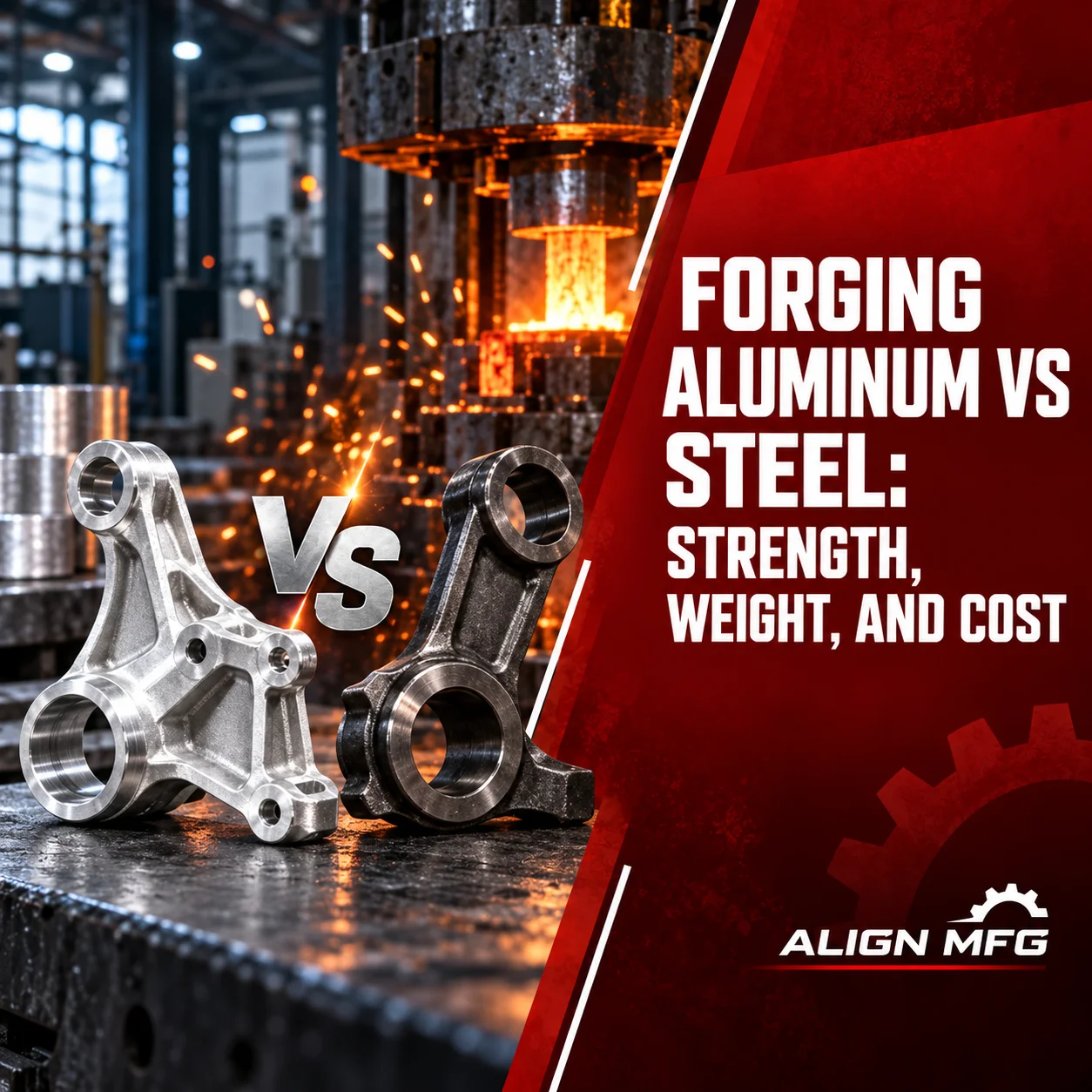
FORGING ALUMINUM VS STEEL: STRENGTH, WEIGHT, AND COST
As global manufacturing evolves, companies are increasingly seeking reliable, cost-efficient destinations for high-precision component production. Many businesses are now exploring metal stamping Vietnam as a strategic alternative to traditional manufacturing hubs, thanks to the country’s growing industrial capabilities, competitive pricing, and improving export infrastructure. This article explores why shifting your metal stamping production to Vietnam can strengthen your supply chain, enhance product quality, and reduce operational costs.
Vietnam’s Rising Role in Global Metal Stamping
Over the past decade, Vietnam has transformed into a competitive manufacturing base. Supported by foreign investment, industrial modernization, and trade agreements, the country now plays a growing role in supplying precision-engineered parts to sectors including automotive, electronics, industrial machinery, home appliances, and consumer goods.
Several factors have contributed to Vietnam’s rise:
- Improved manufacturing standards
- Advanced stamping machinery
- Skilled technical workforce
- Strong government incentives
Why Companies Are Shifting Metal Stamping to Vietnam
1. Significant Cost Advantages
Vietnam offers one of the most attractive cost structures in Asia. Companies benefit from competitive labor rates, lower facility overhead, and flexible production volumes. Tooling and die creation also tend to be more affordable compared to regional alternatives. Altogether, these advantages help manufacturers maintain high quality while improving margins (especially for large-volume parts such as brackets, chassis components, terminals, washers, and enclosures).
2. Quality Manufacturing with Modern Equipment
Metal stamping facilities in Vietnam have advanced quickly in both capability and technology. Many factories now operate high-speed presses, progressive die systems, automated feeders, and integrated CNC or laser-cutting support. In-house precision toolmaking strengthens quality control, while internationally recognized standards like ISO 9001, ISO 14001, and IATF 16949 ensure consistent, repeatable production across tight-tolerance parts.
3. Skilled Workforce at Competitive Rates
Vietnam’s workforce is young, technically trained, and experienced in industrial manufacturing. Machine operators and toolmakers are widely available, and QC technicians are trained to support demanding production requirements. Turnover rates are also lower relative to certain neighboring countries, giving companies long-term stability and smoother production planning.
4. Supply Chain Diversification and Risk Reduction
With global disruptions reshaping sourcing strategies, Vietnam has become a practical location for diversification. It offers a strong alternative to China, reduces exposure to tariff volatility, and provides access to a growing supplier network. Companies that shift part of their metal stamping portfolio to Vietnam often achieve a more resilient and balanced supply chain overall.
5. Extensive Trade Agreements for Global Exporting
Vietnam participates in major trade agreements (including CPTPP, EVFTA, and RCEP) which lower tariffs and streamline customs procedures. These policies help Vietnamese-manufactured stamped components become more cost-competitive across markets such as the U.S., EU, Japan, and Australia, strengthening the country’s global export advantage.
Additional Operational Advantages
Flexible MOQs and Production Volumes
Many Vietnamese suppliers support lower MOQs, scalable production, and adaptable batch sizes (ideal for pilot runs, prototyping, or high-volume growth).
Improved Lead Times and Logistics
With modern ports, upgraded freight routes, and industrial zones located near shipping hubs, Vietnam offers efficient transit times and reliable logistics.
Growing Eco-System for Secondary Processes
Powder coating, plating, welding, assembly, and packaging capabilities are increasingly available domestically, enabling end-to-end manufacturing in Vietnam.
What Types of Companies Benefit Most?
Shifting metal stamping production to Vietnam is especially valuable for companies producing:
- Automotive components
- Electrical and electronics parts
- Industrial machinery hardware
- Home appliance metal pieces
- Consumer product metal inserts or accessories
Key Considerations When Choosing a Vietnamese Stamping Partner
- Technical Capabilities: Evaluate stamping press tonnage, die types, automation, and precision equipment.
- Quality Systems: Look for ISO certifications, PPAP readiness, FAI reporting, and documented inspection controls.
- Tooling Capabilities: High-performing tools require in-house die design, machining, maintenance, and fast repair turnaround.
- Communication & Project Management: Reliable suppliers offer structured communication, technical collaboration, and clear milestone tracking.
Conclusion
Shifting metal stamping operations to Vietnam provides companies with a powerful combination of cost savings, improved supply chain resilience, high-quality manufacturing, and access to a skilled workforce. As production capabilities continue to expand, metal stamping Vietnam is becoming one of the most strategic choices for manufacturers seeking reliable, scalable, and cost-effective stamping solutions. For businesses planning long-term growth and competitive advantage, Vietnam offers an ideal foundation for both diversification and sustained operational success.