
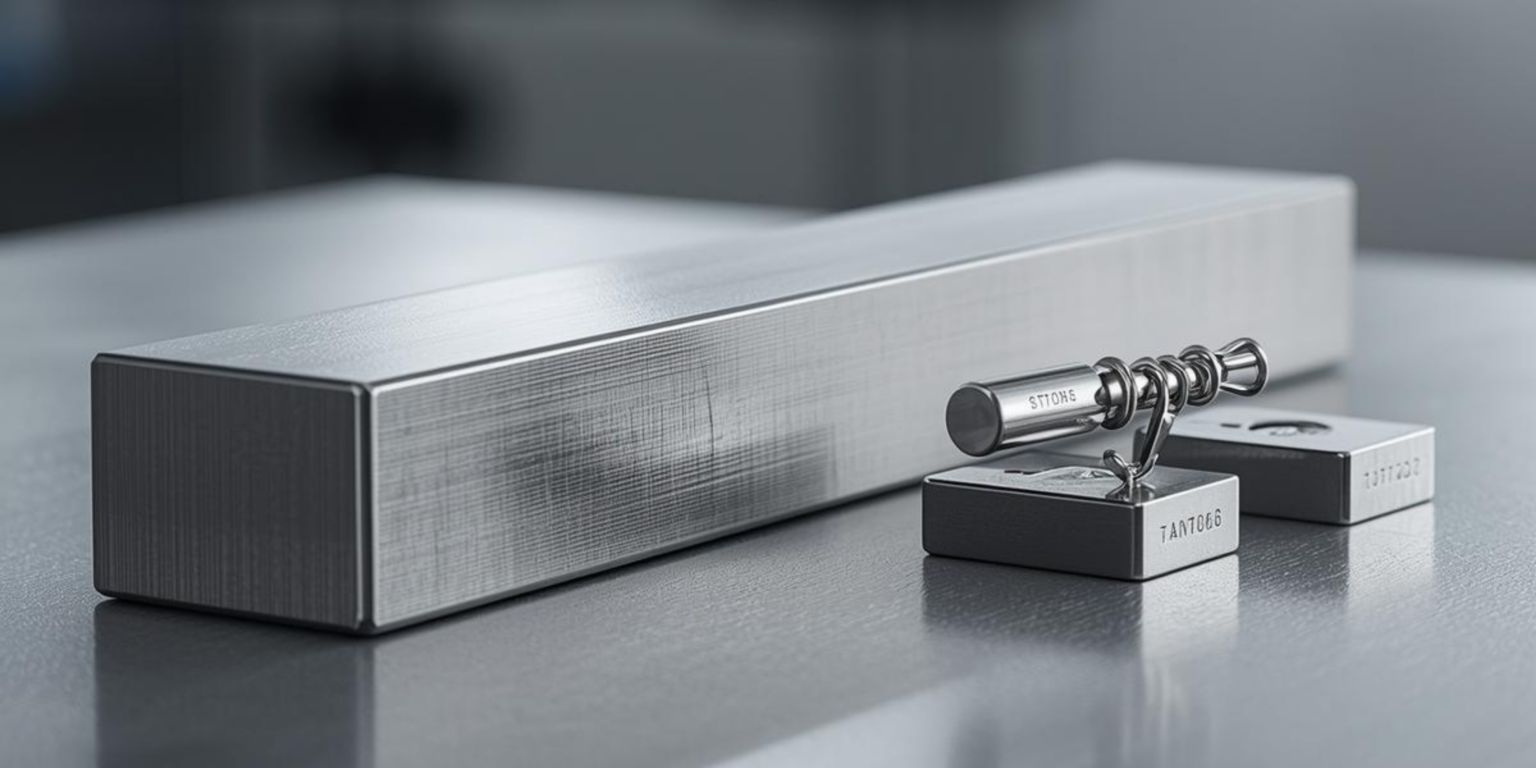
Is Stainless Steel Magnetic? Understanding Ferritic vs Austenitic
Stainless steel magnetism depends largely on its internal crystal structure and alloy composition, not simply on the presence of iron. While many people assume all stainless steel is non-magnetic, the reality is more nuanced. Some stainless steel grades are magnetic, while others are not. This distinction is primarily driven by whether the material is ferritic or austenitic.
In this article, we’ll explain why stainless steel can be magnetic, compare ferritic and austenitic stainless steel, explore how processing affects magnetism, and clarify how magnetism influences real-world applications. By the end, you’ll have a clear, science-backed answer to one of the most common material-selection questions.
What Is Stainless Steel?
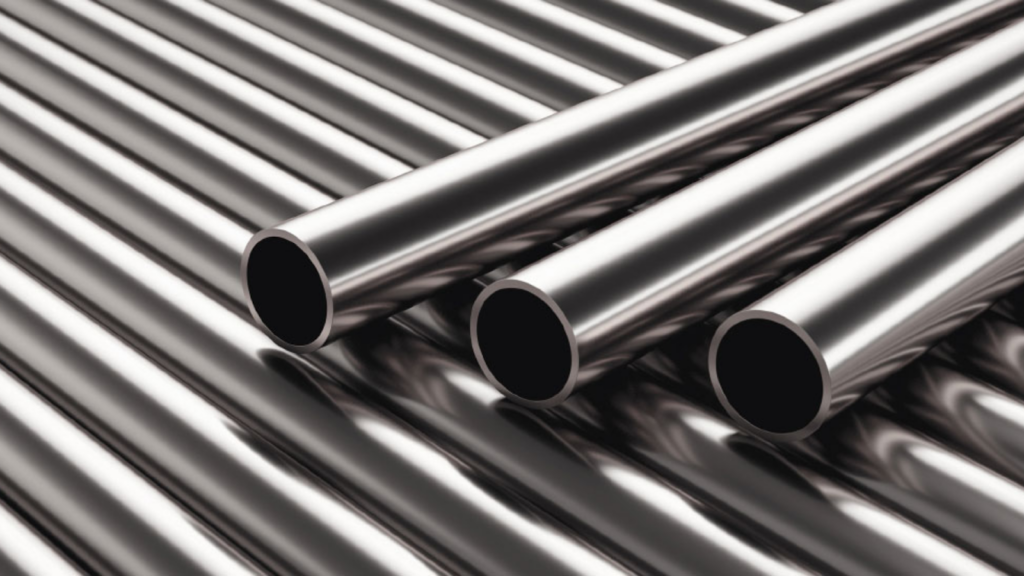
Stainless steel is an iron-based alloy containing a minimum of 10.5% chromium, which forms a thin, self-healing oxide layer that protects the metal from corrosion. Depending on additional alloying elements (such as nickel, molybdenum, or carbon) stainless steel can exhibit different mechanical, corrosion, and magnetic properties.
According to the British Stainless Steel Association (BSSA), stainless steels are categorized into five main families: austenitic, ferritic, martensitic, duplex, and precipitation-hardening steels. Among these, austenitic and ferritic stainless steels account for over 85% of global stainless steel usage, making them the most relevant when discussing magnetism.
Is Stainless Steel Magnetic? (Short Answer)
Yes, some stainless steels are magnetic, and others are not.
- Ferritic stainless steel is magnetic
- Austenitic stainless steel is generally non-magnetic
- Cold working can make some non-magnetic stainless steels slightly magnetic
The key factor behind this behavior is crystal structure, which determines how iron atoms and magnetic domains align inside the metal.
Why Magnetism Occurs in Metals
Magnetism in metals occurs when unpaired electrons align in a way that allows magnetic domains to form. Materials that support stable domain alignment are classified as ferromagnetic.
Key Factors Influencing Magnetism
- Atomic arrangement (crystal structure)
- Alloying elements (especially nickel)
- Phase stability at room temperature
- Mechanical processing such as cold rolling or bending
While pure iron is strongly magnetic, adding alloying elements can disrupt or suppress magnetic domain alignment, depending on how atoms are arranged.
Crystal Structure: The Real Reason Stainless Steel Is or Isn’t Magnetic
The magnetic behavior of stainless steel is governed by its crystallographic structure, not simply its chemical composition.
Common Stainless Steel Crystal Structures
| Crystal Structure | Name | Magnetic Behavior |
| BCC | Body-Centered Cubic | Magnetic |
| FCC | Face-Centered Cubic | Non-magnetic |
| BCT | Body-Centered Tetragonal | Magnetic |
Ferritic and martensitic steels use BCC or BCT structures, which allow magnetic domains to align. Austenitic steels use an FCC structure, which suppresses magnetism.
What Is Ferritic Stainless Steel?
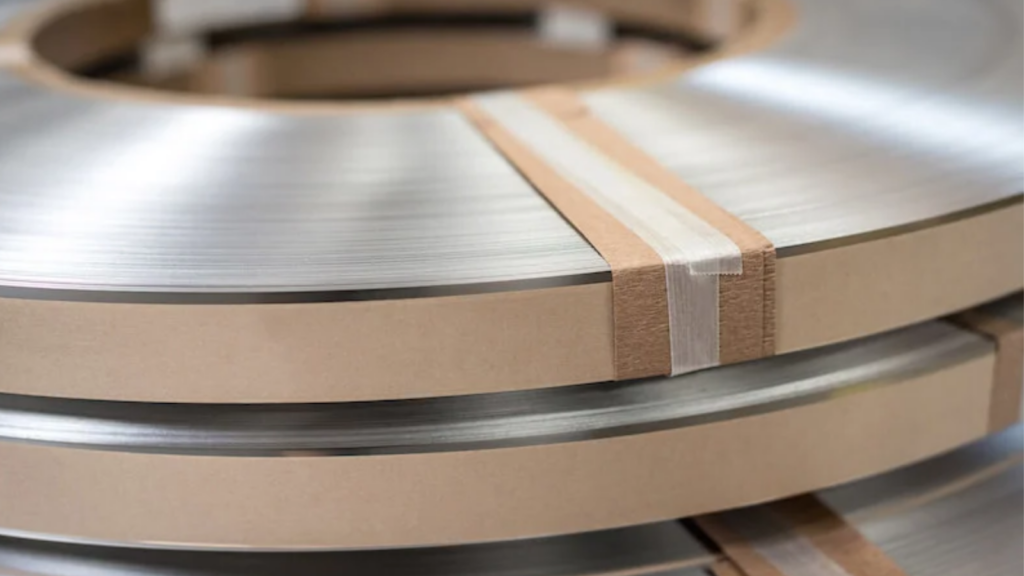
Ferritic stainless steel is a class of stainless steel characterized by a body-centered cubic (BCC) crystal structure, which makes it naturally magnetic.
Key Characteristics of Ferritic Stainless Steel
- Magnetic in all conditions
- Contains 10.5–30% chromium
- Very low or no nickel content
- Moderate corrosion resistance
- Good resistance to stress corrosion cracking
Common ferritic grades include 430, 409, and 441.
Why Ferritic Stainless Steel Is Magnetic
Ferritic stainless steel remains magnetic because its BCC lattice allows electrons to align in stable magnetic domains. The absence of nickel prevents the stabilization of a non-magnetic phase, so the material behaves similarly to conventional steel when exposed to a magnetic field.
This makes ferritic stainless steel predictable in applications where magnetism must be accounted for, such as in automotive systems or industrial equipment.
What Is Austenitic Stainless Steel?
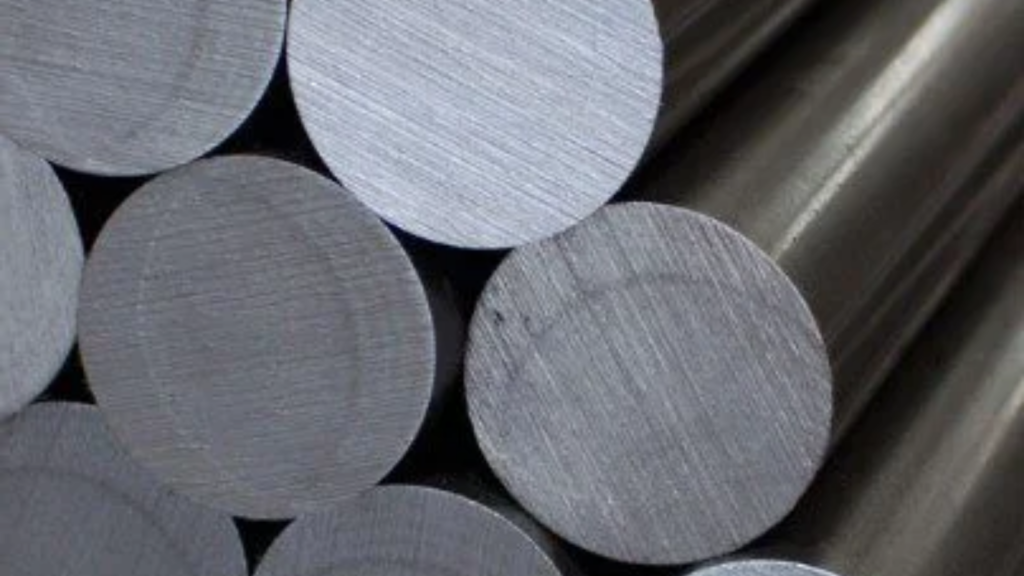
Austenitic stainless steel is the most widely used stainless steel family and is known for being generally non-magnetic in its annealed state.
Key Characteristics of Austenitic Stainless Steel
- Non-magnetic under normal conditions
- Face-centered cubic (FCC) crystal structure
- High nickel content (typically 8–12%)
- Excellent corrosion resistance
- High ductility and formability
Common austenitic grades include 304, 316, and 321, which dominate applications in food processing, medical devices, and chemical equipment.
Why Austenitic Stainless Steel Is Non-Magnetic
In austenitic stainless steel, nickel stabilizes the FCC structure at room temperature. This atomic arrangement disrupts magnetic domain alignment, resulting in extremely low magnetic permeability. As a result, magnets either do not stick at all or exhibit only negligible attraction.
This non-magnetic behavior is one of the reasons austenitic stainless steel is preferred in sensitive environments such as medical imaging rooms and electronic enclosures.
Ferritic vs Austenitic Stainless Steel: Key Differences
Ferritic and austenitic stainless steels differ primarily in crystal structure, alloy composition, and magnetic behavior, which directly affects how they perform in real-world applications.
| Property | Ferritic Stainless Steel | Austenitic Stainless Steel |
| Crystal structure | Body-centered cubic (BCC) | Face-centered cubic (FCC) |
| Magnetic behavior | Magnetic | Generally non-magnetic |
| Nickel content | Very low or none | Typically 8–12% |
| Corrosion resistance | Moderate | High |
| Formability | Limited | Excellent |
| Common grades | 430, 409 | 304, 316 |
Can Non-Magnetic Stainless Steel Become Magnetic?
Although austenitic stainless steel is classified as non-magnetic, it can develop weak magnetic properties after mechanical processing. This occurs because cold working introduces strain into the metal, causing a portion of the austenite to transform into martensite, which is magnetic.
This effect is most noticeable after operations such as:
- Cold rolling or forming
- Bending or stamping
- Heavy machining
Does Welding Affect Stainless Steel Magnetism?
Welding can introduce slight magnetic behavior in austenitic stainless steel, particularly near the weld zone. The intense heat can promote the formation of small amounts of ferrite, which improves weld strength but may attract a magnet.
In most cases, this magnetism is confined to the heat-affected zone and does not impact performance. It is considered a normal outcome of welding rather than a defect.
Magnetism in Duplex and Martensitic Stainless Steel
Duplex stainless steel contains both austenitic and ferritic phases, resulting in partial magnetism. Because ferrite is present in its microstructure, duplex stainless steel will respond to a magnet, although typically less strongly than fully ferritic grades. This balanced structure provides high strength and excellent corrosion resistance.
Martensitic stainless steel is fully magnetic due to its body-centered tetragonal structure. These steels can be heat treated for hardness and are commonly used in high-strength applications.
Typical examples include:
- Duplex grades for marine and oil applications
- Martensitic grades such as 410 and 420 for tools and wear-resistant components
Conclusion: Is Stainless Steel Magnetic?
Stainless steel may or may not be magnetic depending on its crystal structure and processing history. Ferritic stainless steel is magnetic due to its BCC structure, while austenitic stainless steel is generally non-magnetic because its FCC structure prevents magnetic domain alignment. Mechanical processing and welding can introduce limited magnetism, but they do not change the fundamental classification of the alloy.
At Align MFG, we help manufacturers select and fabricate stainless steel components based on real performance requirements. Understanding the relationship between microstructure and magnetism ensures better material choices, longer service life, and fewer surprises in production.