
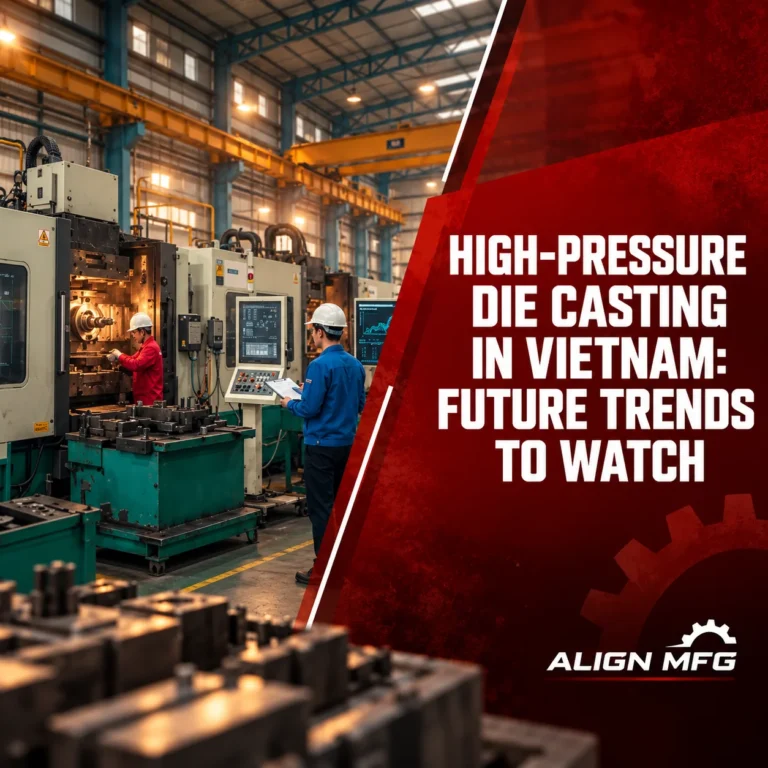
High-pressure die casting (HPDC) has been the backbone of modern manufacturing for decades, producing everything from automotive housings and engine components to consumer electronics frames and intricate industrial parts. But the process, while mature, is far from static. Around the world and especially in Vietnam, high-pressure die casting is undergoing a major transformation, driven by…
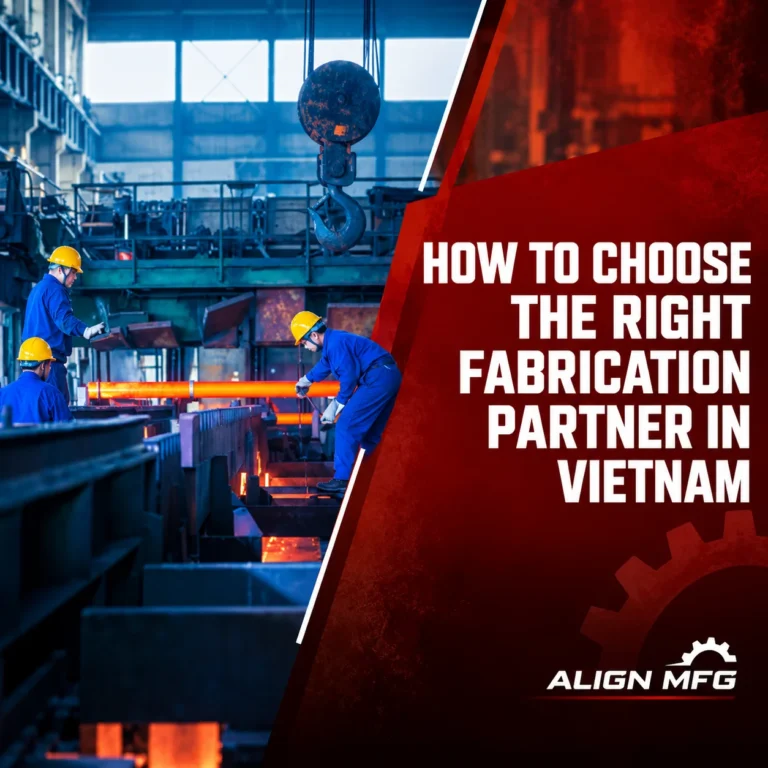
If you’ve been keeping an eye on global manufacturing trends, you’ve probably noticed one country making waves in the fabrication industry: Vietnam. Once considered a secondary player to giants like China or India, Vietnam has rapidly become a go-to destination for companies looking to outsource metal fabrication, welding, laser cutting, and CNC machining. Choosing the…
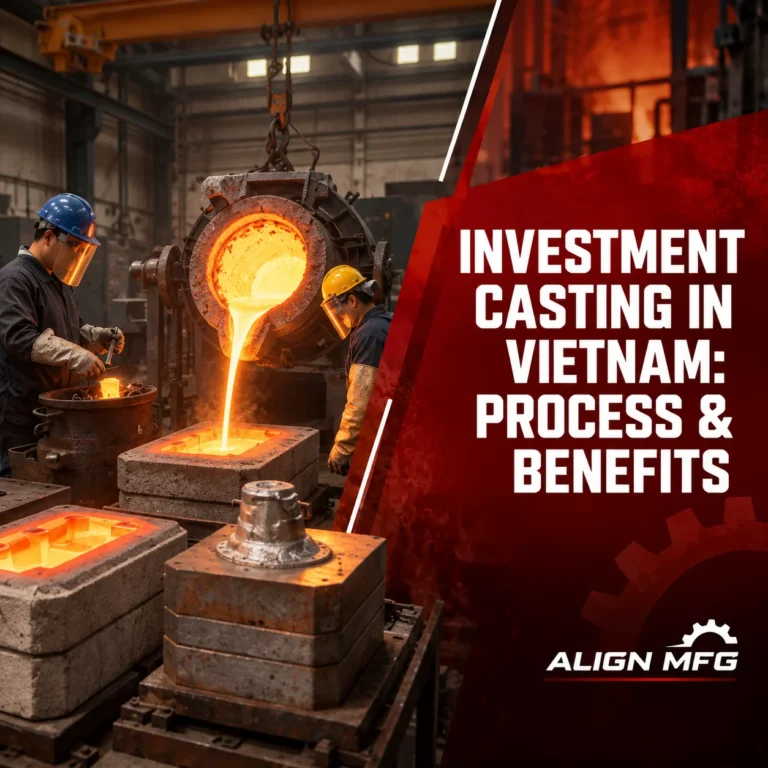
Investment casting, also known as lost-wax casting, is a versatile, cost-effective method for producing complex, high-precision metal components across industries like aerospace, automotive, medical, and industrial machinery. As companies look for reliable alternatives to traditional manufacturing hubs, Vietnam is emerging as a top destination, offering competitive costs, skilled labor, and modern capabilities. This guide explains…
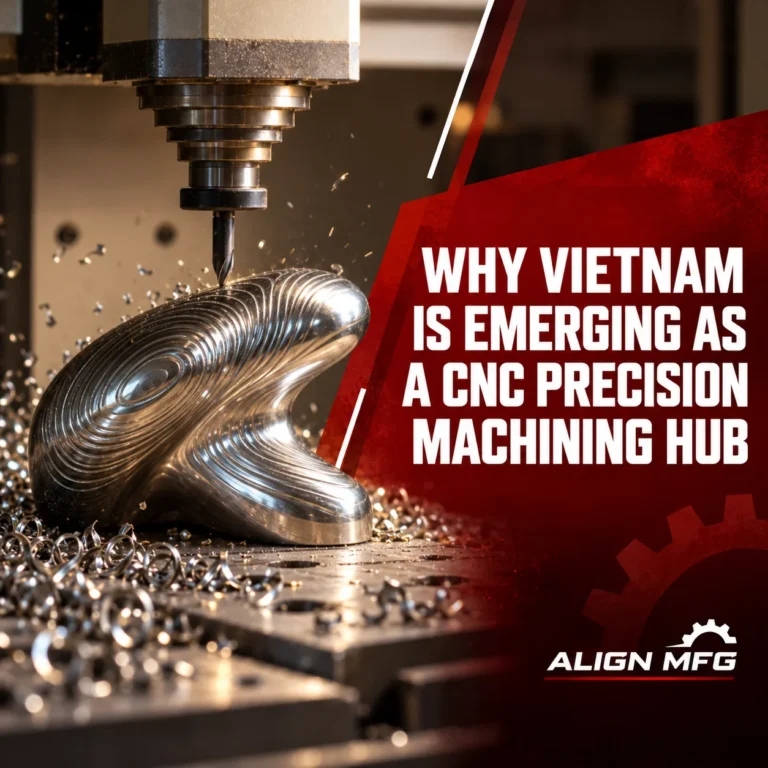
CNC precision machining plays a vital role in global manufacturing, powering sectors from aerospace and automotive to medical devices and consumer electronics. While leaders like China, Japan, and Germany continue to dominate, Vietnam is steadily expanding its capabilities. As industries look to balance cost, quality, and flexibility, many consider how Vietnam precision machining suppliers fit…
Forging and casting are two foundational metal manufacturing processes that produce the majority of structural components used in automotive, aerospace, energy, and medical devices. In simple terms, forging reshapes solid metal by compressive force to align and refine its grain structure, while casting pours molten metal into a mold to form complex shapes. A growing…
Tempering steel is the controlled reheating of quenched steel to a temperature below the lower critical point, typically between 150 to 700 °C, followed by a soak and a controlled cool. The goal is simple yet profound. reduce brittleness, relieve internal stresses, and tune the balance between hardness and toughness so the steel can perform…
What Is Alloy Steel? Alloy steel is steel in which purposeful additions of elements such as chromium, nickel, molybdenum, vanadium, manganese, and silicon are used to tailor properties beyond the iron and carbon base. By modifying chemistry and heat treatment, engineers can achieve an optimized balance of strength, toughness, hardness, wear resistance, and corrosion performance…
Molding and casting are formative manufacturing processes that shape materials within a cavity to create parts. In simple terms, molding creates the negative cavity or tool, and casting is the act of filling that cavity with a liquid or pliable material that solidifies into the final part. As Smooth-On explains, the mold holds a negative…
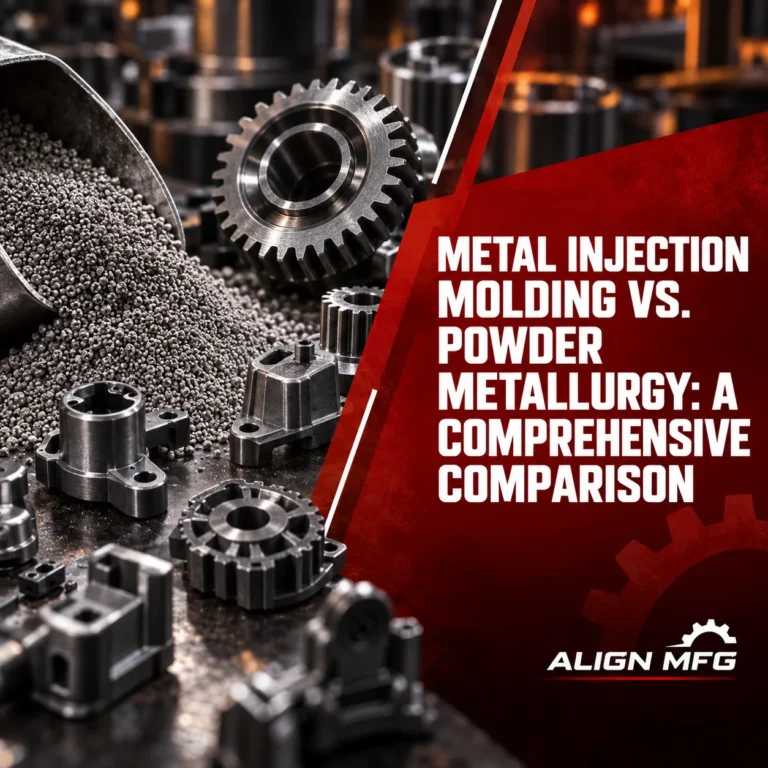
In the realm of metal part manufacturing, Metal Injection Molding (MIM) and Powder Metallurgy (PM) stand out as two prominent techniques. Both processes utilize metal powders to fabricate components, yet they differ significantly in methodology, capabilities, and applications. Understanding these differences is crucial for engineers and manufacturers aiming to select the most suitable process for…
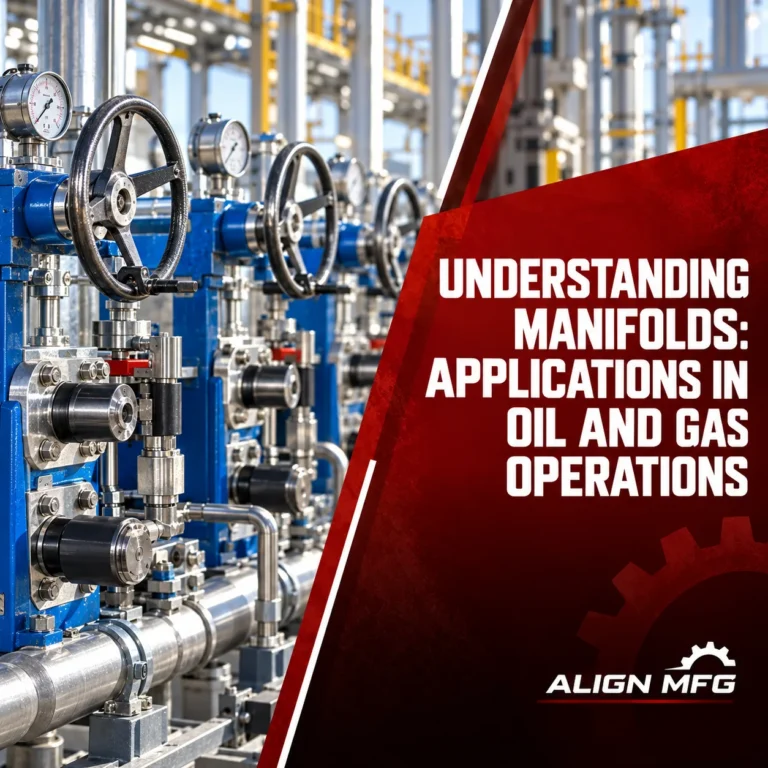
In the oil and gas sector, manifolds are critical assemblies that consist of interconnected valves, pipes, and fittings. Their primary function is to control, distribute, and monitor the flow of fluids, such as oil, gas, and water, during various phases of operations, including exploration, drilling, production, and processing. By efficiently managing fluid flow, manifolds ensure…
- « Previous
- 1
- 2
- 3
- 4
- Next »