
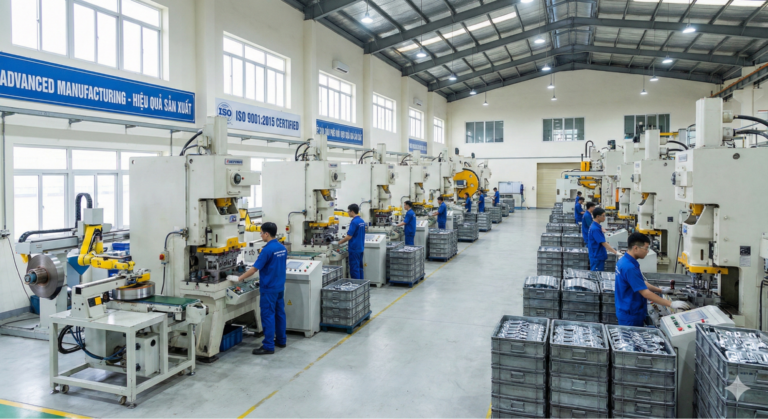
As global manufacturing evolves, companies are increasingly seeking reliable, cost-efficient destinations for high-precision component production. Many businesses are now exploring metal stamping Vietnam as a strategic alternative to traditional manufacturing hubs, thanks to the country’s growing industrial capabilities, competitive pricing, and improving export infrastructure. This article explores why shifting your metal stamping production to Vietnam…

Global supply chains are under pressure from geopolitical shifts, rising freight costs, and changing customer expectations. For manufacturers seeking resilient, cost-effective production outside traditional hubs, sand casting Vietnam offers a compelling combination of capacity, flexibility, and proximity to key Asian markets. When deployed strategically, Vietnam-based sand casting can reduce lead-time risk, diversify supplier exposure, and…
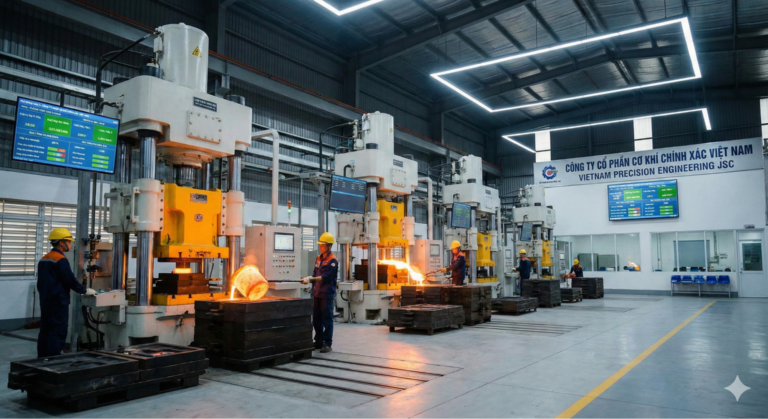
Forged components are a cornerstone of modern manufacturing, providing strength, durability, and precision for industries ranging from automotive to aerospace. As global demand grows, manufacturers are increasingly exploring forging Vietnam as a cost-effective and reliable sourcing option. This guide covers everything you need to know about sourcing forged components from Vietnam, including the benefits, key…
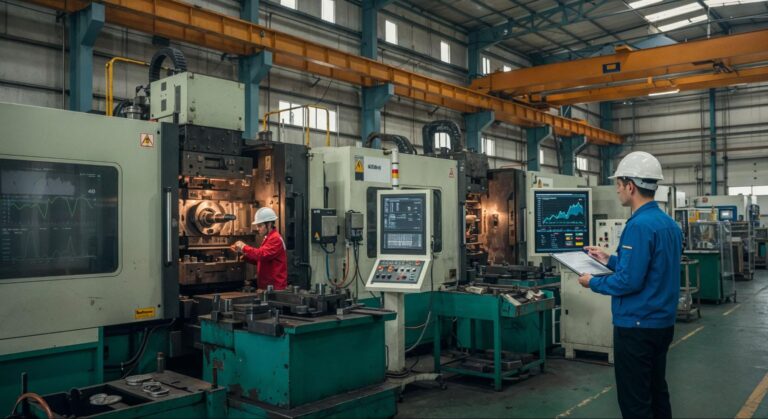
High-pressure die casting (HPDC) has been the backbone of modern manufacturing for decades, producing everything from automotive housings and engine components to consumer electronics frames and intricate industrial parts. But the process, while mature, is far from static. Around the world and especially in Vietnam, high-pressure die casting is undergoing a major transformation, driven by…
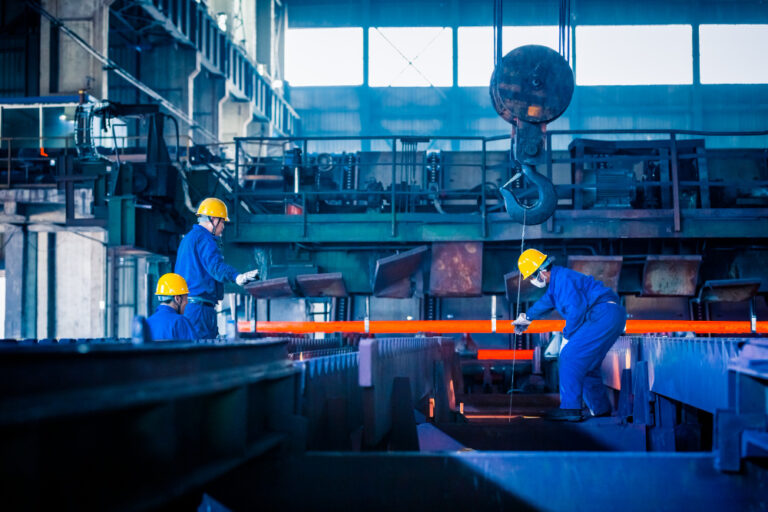
If you’ve been keeping an eye on global manufacturing trends, you’ve probably noticed one country making waves in the fabrication industry: Vietnam. Once considered a secondary player to giants like China or India, Vietnam has rapidly become a go-to destination for companies looking to outsource metal fabrication, welding, laser cutting, and CNC machining. Choosing the…
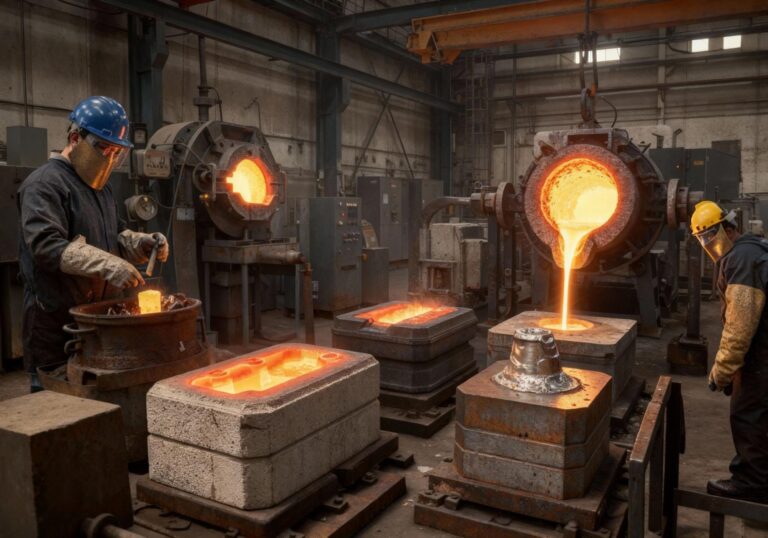
Investment casting, also known as lost-wax casting, is a versatile, cost-effective method for producing complex, high-precision metal components across industries like aerospace, automotive, medical, and industrial machinery. As companies look for reliable alternatives to traditional manufacturing hubs, Vietnam is emerging as a top destination, offering competitive costs, skilled labor, and modern capabilities. This guide explains…
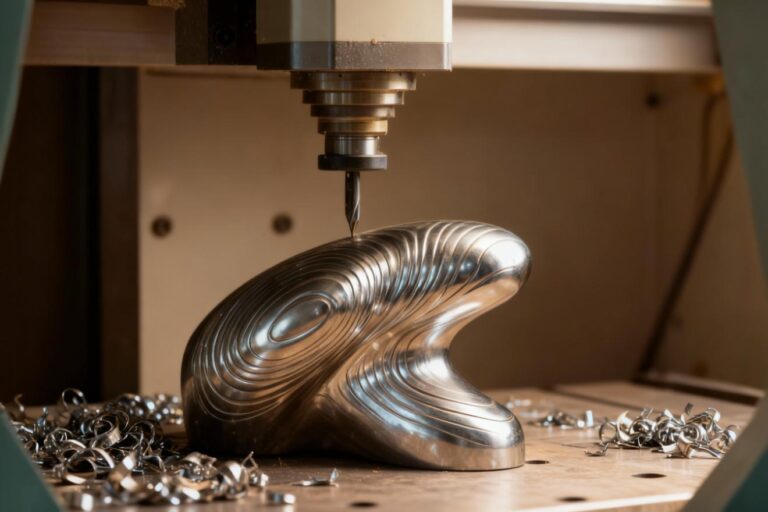
CNC precision machining plays a vital role in global manufacturing, powering sectors from aerospace and automotive to medical devices and consumer electronics. While leaders like China, Japan, and Germany continue to dominate, Vietnam is steadily expanding its capabilities. As industries look to balance cost, quality, and flexibility, many consider how Vietnam precision machining suppliers fit…
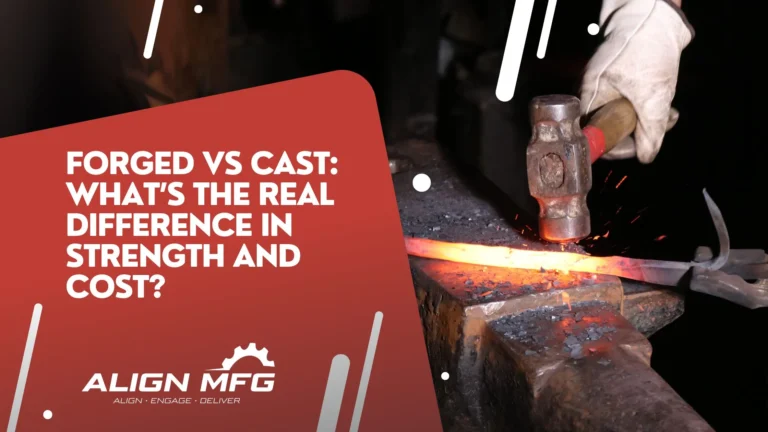
Forging and casting are two foundational metal manufacturing processes that produce the majority of structural components used in automotive, aerospace, energy, and medical devices. In simple terms, forging reshapes solid metal by compressive force to align and refine its grain structure, while casting pours molten metal into a mold to form complex shapes. A growing…
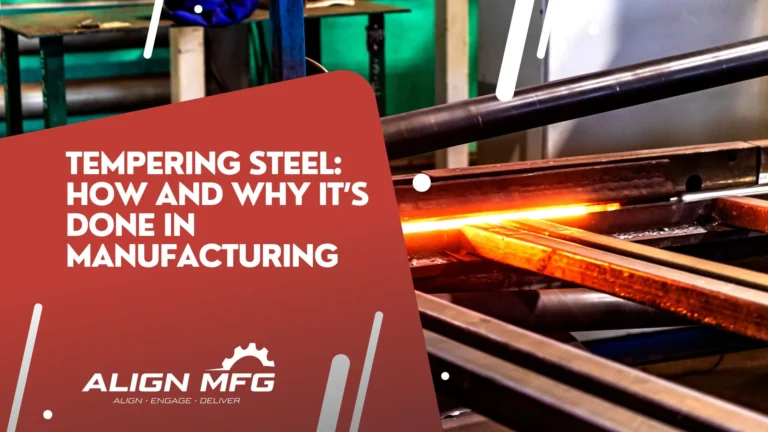
Tempering steel is the controlled reheating of quenched steel to a temperature below the lower critical point, typically between 150 to 700 °C, followed by a soak and a controlled cool. The goal is simple yet profound. reduce brittleness, relieve internal stresses, and tune the balance between hardness and toughness so the steel can perform…
What Is Alloy Steel? Alloy steel is steel in which purposeful additions of elements such as chromium, nickel, molybdenum, vanadium, manganese, and silicon are used to tailor properties beyond the iron and carbon base. By modifying chemistry and heat treatment, engineers can achieve an optimized balance of strength, toughness, hardness, wear resistance, and corrosion performance…
- « Previous
- 1
- 2
- 3
- 4
- Next »