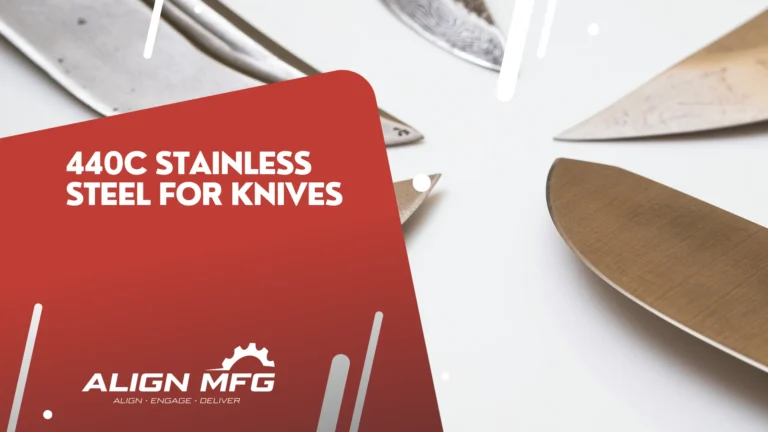
Introduction 440C stainless steel is one of the most widely used materials in knife manufacturing, prized for its exceptional combination of hardness, corrosion resistance, and edge retention. This comprehensive guide explores the properties, applications, and characteristics that make 440C a preferred choice for knife makers and manufacturers worldwide. Understanding 440C stainless steel is essential for…

Job shops are manufacturing environments that specialize in custom, low-volume production, where each job may have unique specifications, processes, and routing. Unlike mass production facilities, they operate with high variability and must adapt quickly to changing customer requirements. An ISO 9001 Quality Management System (QMS) is a structured framework that helps businesses standardize processes, ensure…
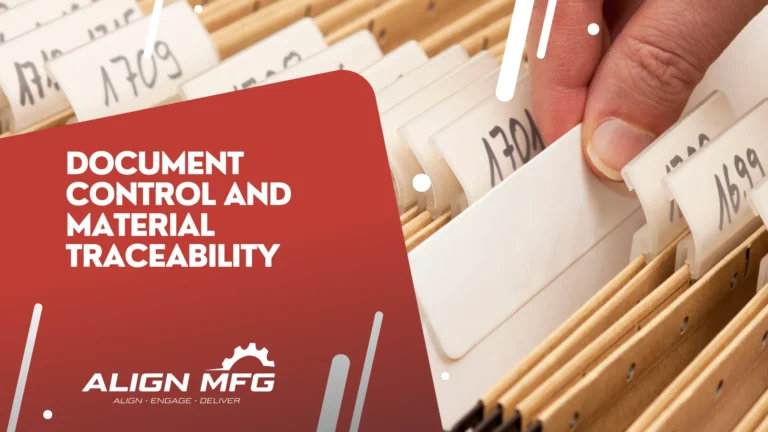
When an aerospace customer calls asking which supplier lot was used in batch 4472 from six months ago, what’s your answer? If it takes more than five minutes to trace that material from finished goods back to the raw material certificate, your documentation control system isn’t working, and you’re one audit away from a major…
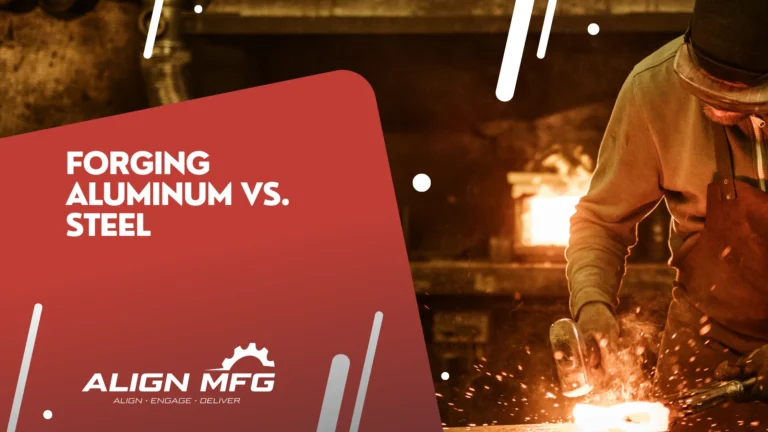
The Engineer's Guide to Material Selection for Drop Forging Every manufacturing decision carries weight—sometimes literally. When procurement engineers and product designers face the critical choice between forged aluminum and forged steel, they're not just selecting a material. They're defining performance parameters, cost structures, supply chain requirements, and ultimately, product success in competitive markets. This comprehensive…
Introduction: The Power of Martensitic Steel When engineers need exceptional strength without excessive weight, martensitic steel often becomes their material of choice. This specialized class of steel delivers tensile strengths ranging from 900 MPa to over 1,700 MPa—making it one of the strongest commercially available steel varieties while maintaining practical manufacturability. Unlike conventional carbon steels…
Introduction Alloy steel represents one of the most versatile and widely used material classes in modern manufacturing, combining the inherent strength of carbon steel with enhanced properties through carefully selected alloying elements. From automotive drivetrains to aerospace components, alloy steels provide the mechanical performance required for critical applications where standard carbon steels fall short. This…

OEM supplier scorecards help brands evaluate contract manufacturers consistently, identify performance issues early, and make better sourcing decisions. Rather than treating the scorecard as a quarterly administrative exercise, effective procurement teams use it as an operating framework for supplier reviews, corrective actions, development plans, and future order allocation. This guide explains the six main supplier…
When two machinists measure the same shaft and report different diameters, the problem may not be the part. It may come from the gage, measurement method, operator technique, fixture, temperature, or inspection environment. A Gage Repeatability and Reproducibility study, commonly called Gage R&R, separates actual part-to-part variation from variation introduced by the measurement system. This…
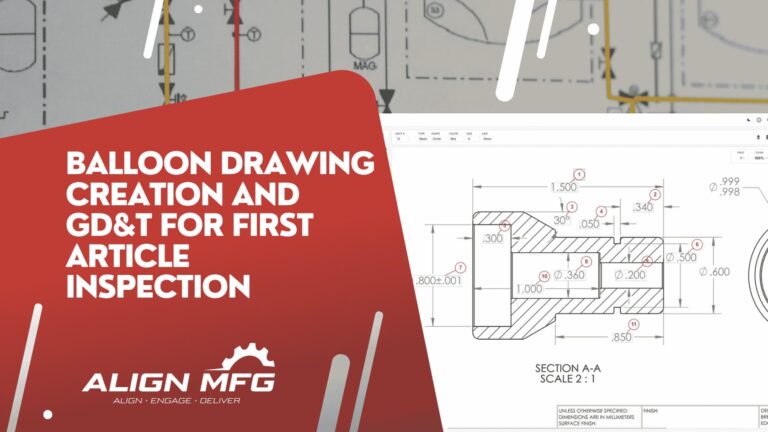
In precision manufacturing, clear communication between engineering and quality teams is essential. Tolerances, dimensions, materials and geometric controls must be interpreted consistently to ensure every part meets its intended function. Balloon drawings, combined with Geometric Dimensioning and Tolerancing, or GD&T, provide a structured visual framework for First Article Inspection. They turn complex engineering drawings into…
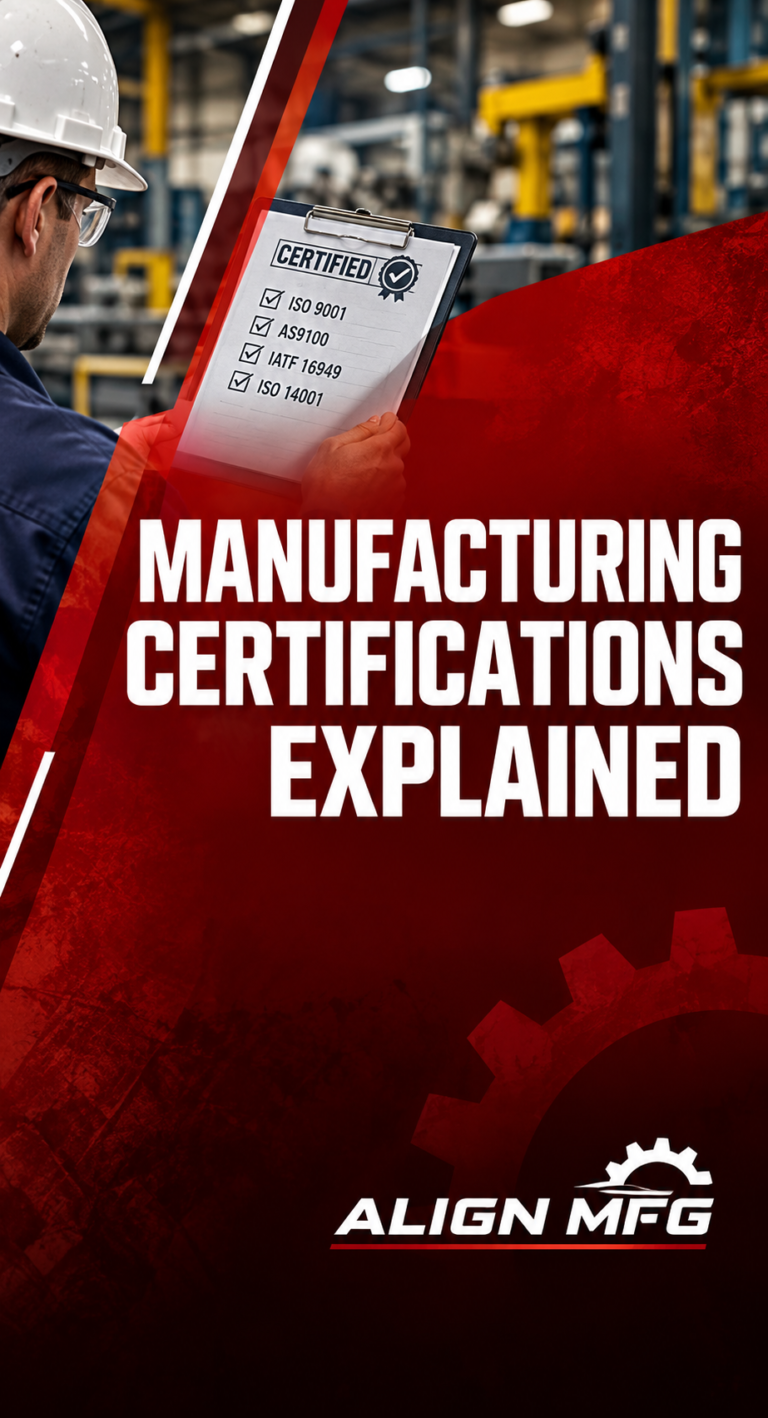
A certificate on the wall does not make a good part. But in many industries, a part made without the right certificate behind it cannot be sold at all. At Align Manufacturing, we source castings, forgings, machined parts and silicone components for customers in oil and gas, automotive, rail, trucking and trailer, construction, food and…