
APQP Phases for Manufacturing Suppliers: From Quote to Production
When an OEM includes APQP requirements with a Request for Quote, the number of documents, deadlines, and approval stages can feel overwhelming. However, APQP is more than a documentation exercise. It creates a structured process for confirming requirements, controlling risks, validating production, and preventing problems before launch.
This guide explains the five APQP phases from a manufacturing supplier’s perspective, including the key activities, documents, and PPAP requirements involved.
What Is APQP and Why Do OEMs Require It?
Advanced Product Quality Planning (APQP) is a preventive framework used to plan and develop products and manufacturing processes from initial concept through production.
APQP originated in the automotive industry and is now widely used by OEMs and suppliers to coordinate product requirements, quality planning, risk management, process validation, and launch readiness.
AIAG released the third edition of its APQP manual in March 2024, alongside the first standalone Control Plan manual. The updates place greater emphasis on change management, sourcing, risk assessment, programme metrics, sub-tier suppliers, and safe-launch planning.
APQP is closely connected to the automotive Core Tools:
- Failure Mode and Effects Analysis (FMEA)
- Measurement Systems Analysis (MSA)
- Statistical Process Control (SPC)
- Control Plan
- Production Part Approval Process (PPAP)
OEMs use APQP to confirm that suppliers understand the technical requirements and can consistently manufacture conforming parts at the required production rate.
What Happens During APQP Phase 1?
Phase 1: Plan and Define the Programme
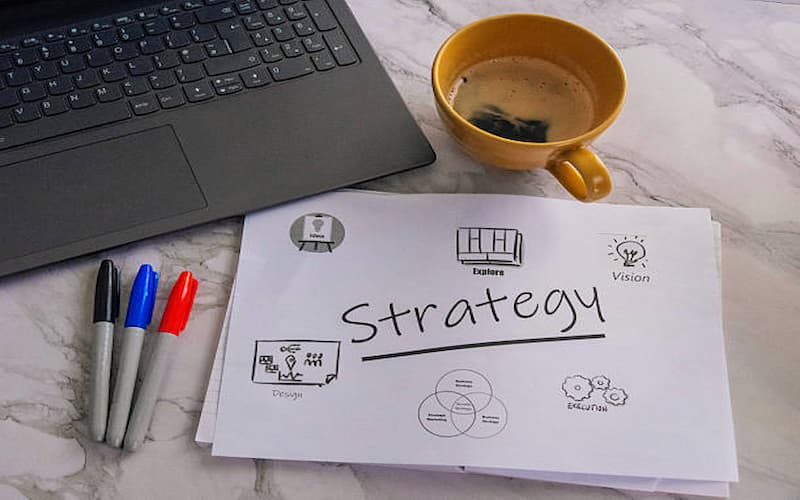
Phase 1 establishes the project scope, customer requirements, feasibility, responsibilities, and timing.
The customer typically provides an RFQ package containing drawings, CAD data, material requirements, specifications, forecast volumes, quality requirements, and programme milestones. The supplier then evaluates whether the part can be produced consistently and economically.
Key Phase 1 activities
The supplier should review:
- Product specifications and tolerances
- Material and performance requirements
- Expected production volumes
- Available manufacturing capacity
- Tooling and equipment needs
- Inspection and testing requirements
- Packaging and logistics requirements
- Customer-specific requirements
- Sub-tier supplier risks
A cross-functional feasibility review should involve engineering, quality, production, purchasing, logistics, and commercial teams.
Phase 1 checklist
- Feasibility commitment
- Preliminary bill of materials
- Initial quality and reliability goals
- Preliminary process assumptions
- Project timing plan
- Capacity assessment
- Initial risk review
- Customer communication plan
How long does Phase 1 take?
The timeline depends on product complexity, specification quality, tooling requirements, and the speed of customer feedback. A straightforward component may be reviewed within a few weeks, while a complex assembly or newly-toolled part may require a longer feasibility process.
The supplier should avoid committing to pricing or timing before technical uncertainties have been identified.
What Happens During APQP Phase 2?
Phase 2: Product Design and Development
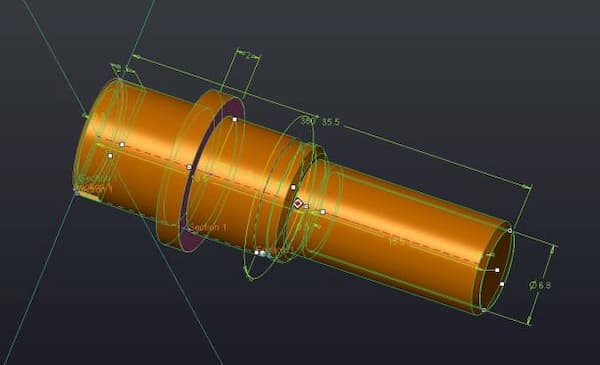
Phase 2 focuses on converting customer needs into a design that can be validated and manufactured.
Where the customer owns the design, the supplier normally provides manufacturing feedback, process knowledge, material recommendations, and design-for-manufacture input. Where the supplier has design responsibility, it may also own the product-design validation activities.
Key Phase 2 activities
Typical activities include:
- Design reviews
- Design for Manufacturing analysis
- Material selection
- Tolerance review
- Prototype planning
- Design verification
- Design validation
- Special-characteristic identification
- Drawing and specification updates
Prototype parts may be used to assess fit, function, material performance, and early manufacturing risks.
Phase 2 checklist
- Design Failure Mode and Effects Analysis, where applicable
- Design review records
- Prototype Control Plan
- Prototype inspection results
- Material and performance test results
- Design verification records
- Design validation records
- Updated drawings and specifications
What is a DFMEA?
A Design Failure Mode and Effects Analysis, or DFMEA, identifies how a product design could fail, evaluates the risks and effects of those failures, and defines actions to reduce them before production.
The DFMEA should remain connected to design changes, test results, customer complaints, and lessons learned rather than being completed once and filed away.
Who owns the DFMEA?
The organisation with product-design responsibility normally owns the DFMEA. A build-to-print supplier may not own the customer’s design, but it should still provide manufacturing feedback and identify design features that could create production or quality risks.
The supplier remains responsible for analysing risks within its manufacturing process through the PFMEA.
What Happens During APQP Phase 3?
Phase 3: Process Design and Development
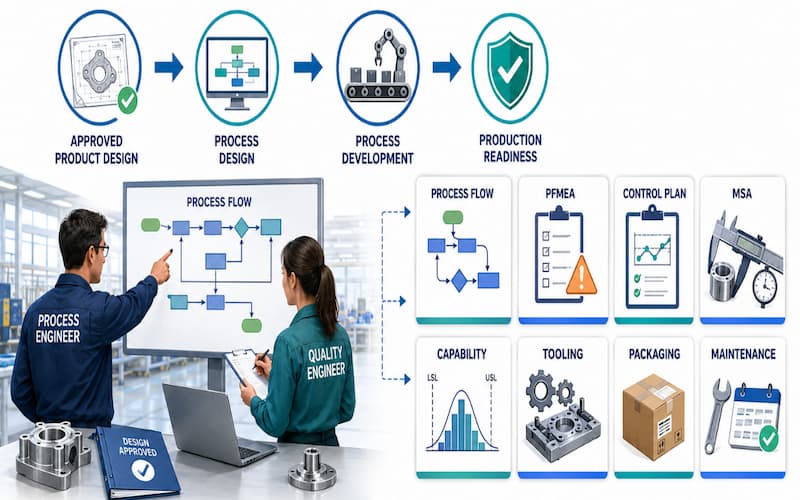
Phase 3 defines how the product will be manufactured, inspected, controlled, handled, and delivered.
This is where the supplier converts the approved design into a repeatable production system.
Key Phase 3 activities
The team develops the:
- Process Flow Diagram
- Process FMEA
- Control Plan
- Work instructions
- Inspection methods
- Measurement Systems Analysis plan
- Process capability study plan
- Tooling and fixture specifications
- Packaging standards
- Preventive maintenance requirements
Tooling, equipment, gauges, and sub-supplier activities must be planned early enough to support the validation schedule.
Phase 3 checklist
- Process Flow Diagram
- PFMEA
- Pre-launch Control Plan
- MSA plan
- Process capability plan
- Tooling and gauge approvals
- Process parameter specifications
- Operator instructions
- Packaging specification
- Preventive maintenance plan
What is the difference between a PFMEA and a Control Plan?
The PFMEA identifies how the manufacturing process could fail, why the failure may occur, and what effect it could have.
The Control Plan defines how the identified risks will be managed during production. It specifies:
- Characteristics to be controlled
- Measurement or inspection method
- Sample size and frequency
- Control limits
- Responsible personnel
- Reaction plan when a problem occurs
The Process Flow Diagram, PFMEA, and Control Plan should remain aligned. A process step or critical control should not appear in one document while being absent from the others.
What Happens During APQP Phase 4?
Phase 4: Product and Process Validation
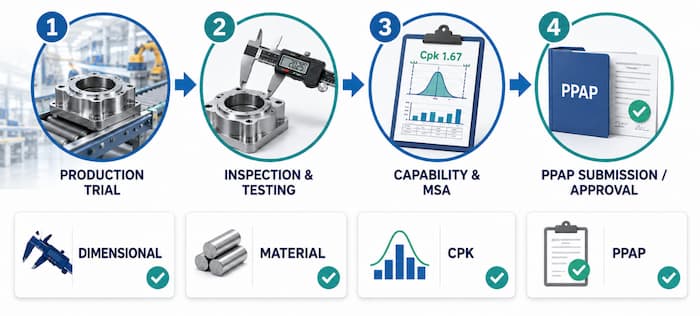
Phase 4 confirms that the production process can manufacture conforming parts under intended operating conditions.
The supplier runs production tooling, equipment, operators, materials, measurement systems, and process settings at the planned manufacturing location.
Key Phase 4 activities
Validation may include:
- Significant production run
- Dimensional inspection
- Material testing
- Performance testing
- Measurement Systems Analysis
- Process capability studies
- Packaging evaluation
- Production-rate verification
- Control Plan confirmation
- PPAP preparation
Capability targets and sample sizes should follow customer-specific requirements. Values such as Cpk 1.33 or 1.67 are commonly used in some programmes, but they are not universal requirements.
What are the PPAP submission levels?
PPAP provides evidence that the supplier understands the customer’s requirements and that the production process can consistently meet them.
| Level | Submission requirement |
| Level 1 | Part Submission Warrant only |
| Level 2 | PSW with product samples and limited supporting data |
| Level 3 | PSW with product samples and complete supporting data |
| Level 4 | PSW and other requirements defined by the customer |
| Level 5 | PSW, product samples, and complete supporting data reviewed at the supplier’s manufacturing location |
The customer determines the submission level. Level 3 is commonly requested, but suppliers should always follow the purchase order and customer-specific requirements.
Phase 4 checklist
- PPAP submission package
- Part Submission Warrant
- Dimensional results
- Material and performance test results
- Process capability results
- MSA results
- Appearance approval, where applicable
- Sample production parts
- Master sample
- Checking-aid records
- Production Control Plan
How does the PPAP submission process work?
The supplier completes the required production run, validates the parts and process, compiles the agreed PPAP evidence, and submits the package to the customer.
The customer generally responds with:
- Approved: The supplier may ship production quantities.
- Interim approval: Limited production or shipment is permitted for a defined period or quantity.
- Rejected: The submission does not meet requirements and must be corrected before approval.
PPAP should not be treated as a collection of unrelated documents. Its purpose is to demonstrate that the planning and controls developed through APQP work together.
What Happens During APQP Phase 5?
Phase 5: Feedback, Assessment, and Corrective Action

APQP continues after production launch. Phase 5 focuses on monitoring performance, reducing variation, resolving problems, and applying lessons learned.
Key Phase 5 activities
The supplier monitors:
- Product quality
- Process capability
- Scrap and rework
- Delivery performance
- Customer complaints
- Warranty information
- Production efficiency
- Corrective-action effectiveness
Statistical Process Control may be used for critical characteristics where appropriate. The production Control Plan, PFMEA, and work instructions should be updated when process knowledge or risks change.
Phase 5 checklist
- Production Control Plan
- SPC records
- Customer feedback
- Corrective-action records
- Process audit results
- Supplier performance data
- Lessons-learned records
- Continuous-improvement actions
When is PPAP resubmission required?
PPAP notification or resubmission may be required when a change could affect product or process performance, including:
- Material changes
- Product-design changes
- New or modified tooling
- Process changes
- Production-site relocation
- Sub-supplier changes
- Production restarting after an extended shutdown
- Changes to inspection or test methods
The exact notification and resubmission requirements depend on the PPAP manual and the customer’s specific requirements. Annual resubmission is not a universal PPAP rule unless required by the customer.
How Long Does the APQP Process Take?
APQP timing varies significantly by product, industry, customer, tooling, validation requirements, and supply-chain complexity.
| Phase | Main focus | Typical documents |
| Phase 1 | Requirements and feasibility | Feasibility review, timing plan, initial risks |
| Phase 2 | Product design | DFMEA, design reviews, prototype records |
| Phase 3 | Process design | Process Flow, PFMEA, Control Plan, MSA plan |
| Phase 4 | Validation and PPAP | Capability results, test reports, PPAP package |
| Phase 5 | Production improvement | SPC, corrective actions, lessons learned |
The phases also overlap. Tooling planning may begin before product design is fully complete, while PFMEA and Control Plan development continue as new information becomes available.
A supplier should build its timeline around customer milestones and actual lead times rather than applying one standard duration to every programme.
What Are the Most Common Supplier APQP Mistakes?
Treating APQP as paperwork
Documents should show how the team has identified and controlled real risks. Completing templates without cross-functional review provides little protection during production.
Accepting incomplete RFQ information
Missing drawings, unclear tolerances, unknown volumes, or undefined inspection requirements can create cost and timing problems later. Assumptions should be documented before quotation.
Starting tooling too late
Tooling is often one of the longest-lead elements. Design, approval, manufacture, trials, and modification time must be included in the programme schedule.
Suppliers planning tooling for sand casting in Thailand should also consider pattern design, core boxes, gating, machining allowances, and foundry trials during early APQP reviews.
Failing to connect APQP documents
The Process Flow Diagram, PFMEA, Control Plan, work instructions, and inspection records must reflect the same manufacturing process and controls.
For components produced from different investment casting materials, material-specific risks should be reflected consistently in process planning, testing, and inspection documents.
Skipping measurement-system validation
A process cannot be properly evaluated when the measurement system is unreliable. MSA should be completed before capability results are used to support PPAP approval.
Using prototype parts for production approval
PPAP parts should come from the intended production process under the required production conditions. Hand-finished prototypes may support design review but do not prove production capability.
Allowing the Control Plan to become outdated
The Control Plan should reflect production experience, corrective actions, engineering changes, and revised risk controls.
For complex assemblies involving Metal Fabrication Thailand, the Control Plan may need to cover cutting, forming, welding, machining, finishing, assembly, and final dimensional inspection.
Conclusion
At Align Manufacturing, we manufacture precision metal components through sand casting, investment casting, forging, CNC machining, stamping, die casting, and metal fabrication. We use structured planning, manufacturing-risk assessment, process controls, inspection, and traceable quality documentation to help customers move from quotation and product development into reliable production. We view APQP as a practical way to align customer requirements with the correct materials, tooling, production methods, validation activities, and quality controls before full-volume manufacturing begins.
FAQ
What are the five phases of APQP?
The five phases cover planning, product design, process design, product and process validation, and ongoing feedback and corrective action.
Is APQP only used in automotive manufacturing?
No. APQP originated in automotive manufacturing but similar planning methods are also used in aerospace, industrial equipment, medical products, and other quality-sensitive industries.
Is APQP the same as PPAP?
No. APQP is the wider planning and development framework. PPAP is the production-approval submission used to demonstrate that the manufacturing process can consistently meet customer requirements.
What is the latest AIAG APQP edition?
AIAG published APQP Third Edition in March 2024. It was released with the first standalone edition of the Control Plan manual.
Who is responsible for APQP?
APQP requires a cross-functional team. Depending on the organisation, this may include programme management, engineering, quality, manufacturing, purchasing, logistics, sales, and sub-tier suppliers.
What is the difference between DFMEA and PFMEA?
DFMEA evaluates risks in the product design. PFMEA evaluates risks in the manufacturing process used to make the product.
Which PPAP submission level is most common?
Level 3 is frequently requested because it includes the PSW, product samples, and complete supporting data. However, the customer determines the required level.
Does PPAP need to be renewed every year?
Not automatically. Annual PPAP renewal applies only when required by the customer. Notification or resubmission may also be required after defined product, material, process, tooling, supplier, or location changes.