
Implementing ISO 9001 QMS for Job Shop Manufacturing: Step-by-Step Guide
What Defines Job Shop Manufacturing And ISO 9001 QMS
Job shops are manufacturing environments that specialize in custom, low-volume production, where each job may have unique specifications, processes, and routing. Unlike mass production facilities, they operate with high variability and must adapt quickly to changing customer requirements. An ISO 9001 Quality Management System (QMS) is a structured framework that helps businesses standardize processes, ensure consistent quality, and drive continuous improvement. For job shops, an effective QMS provides the balance between flexibility and control, allowing them to manage complexity while maintaining reliability and customer satisfaction.
Introduction: Why Job Shop Manufacturing Needs a Different Approach to ISO 9001
Job shops need a different approach to ISO 9001 because they operate in a world of relentless change and variety, producing custom parts in small batches under high-mix, low-volume conditions with constantly evolving customer requirements. Mass production facilities can apply rigid, standardized processes suited to repeating the same parts daily, but job shops’ fluid operations make these traditional ISO 9001 implementations, geared toward repetitive manufacturing—ineffective, often leading to bloated documentation, inflexible workflows, and stifled agility.
Despite these challenges, ISO 9001 certification (or internal implementation) is now non-negotiable for securing contracts with OEMs in automotive, aerospace, medical devices, and industrial equipment sectors. The standard’s core value such as delivering consistent processes, continuous improvement via PDCA cycles, and proven customer satisfaction remains vital, but only when tailored to job shop dynamics, emphasizing risk-based thinking (Clause 6) over prescriptive controls.
This tailored strategy avoids shoehorning production-heavy QMS templates into variable job shop realities, instead creating a lean, adaptable system that scales with diverse orders, integrates with ERP tools like JobBOSS or E2 Shop System, and boosts competitiveness without sacrificing speed or customization.
Understanding the Job Shop Challenge
What Makes Job Shops Different
Before diving into implementation, it’s essential to understand why job shops require a tailored approach:
1. Manufacturing Process Variability
- Mass production: Same process, same parts, continuous improvement
- Job shops: Different processes for every job, frequent setup changes, variable routings
2. Documentation Burden For Manufacturing
- Mass production: Document once, run forever
- Job shops: Each job may require unique work instructions, inspection plans, and quality records
3. Manufacturing Customer Diversity
- Mass production: Standard products, standard requirements
- Job shops: Custom specifications, unique customer requirements, varying industry standards
4. Volume and Mix Of Manufacturing
- Mass production: High volume, low variety, statistical process control is straightforward
- Job shops: Low volume, high variety, SPC is challenging, job-specific controls needed
5. Quoting and Planning For Manufacturing
- Mass production: Stable forecasts, predictable capacity
- Job shops: Uncertain demand, complex quoting, capacity planning difficulties
The Consequence: Traditional ISO 9001 Approaches Fail
Many job shops attempt ISO 9001 implementation using approaches designed for repetitive manufacturing:
- Rigid process documentation that can’t adapt to job variability
- Generic work instructions that provide no value for specific jobs
- Overly complex systems that slow down quoting and production
- Documentation-heavy approaches that burden staff without quality benefits
The result? Either a cumbersome system that employees resist, or a “checkbox” system that satisfies auditors but doesn’t improve quality or efficiency.
This guide takes a different approach: building a QMS that leverages job shop strengths while addressing unique challenges.
Step 1: Secure Leadership Commitment and Define Scope
Leadership Commitment: The Foundation of Success
ISO 9001 implementation cannot succeed without genuine leadership commitment. This is not merely a financial or resource commitment, it’s a cultural commitment to quality as a core business strategy.
Leadership responsibilities include:
- Establishing Manufacturing quality policy that reflects job shop realities
- Setting Manufacturing quality objectives that are meaningful and measurable
- Allocating resources for implementation and maintenance
- Participating in management reviews and continuous improvement
- Modeling quality-focused behavior throughout the organization
Practical tip for job shops: The quality policy should explicitly acknowledge job shop variability while committing to consistent quality outcomes. Example:
“We commit to delivering quality custom-manufactured components that meet or exceed customer specifications, regardless of job complexity or volume. Our quality management system provides the framework for consistent performance across diverse products while maintaining the flexibility our customers require.”
Defining Job Shop Manufacturing Scope: What’s In and What’s Out
ISO 9001 requires a clear definition of the QMS scope. For job shops, this means:
Include in Manufacturing scope:
- Core manufacturing processes (machining, fabrication, assembly)
- Quoting and order processing
- Purchasing and supplier management
- Quality control and inspection
- Delivery and post-delivery support
Consider carefully:
- Design activities (if applicable, adds complexity)
- Outsourced processes (must be controlled)
- Secondary locations or remote operations
Manufacturing Scope statement example:
“The Quality Management System of [Company Name] applies to the provision of custom CNC machining, fabrication, and assembly services for industrial, automotive, and aerospace customers. The QMS covers all activities from quotation through delivery, including purchasing of materials and subcontracted processes, but excludes product design activities which remain customer responsibility.”
Implementation Planning For Job Shop Manufacturing
Before proceeding, establish:
- Implementation timeline (typically 6-12 months for job shops)
- Resource requirements (dedicated implementation team, training budget)
- Certification goals (if certification is desired)
- Key milestones and review points
Job shop tip: Don’t rush implementation. The complexity of job shop operations requires thoughtful system design. A poorly designed QMS that doesn’t fit your operations will be resisted and ultimately fail.

Step 2: Conduct Gap Analysis and Risk Assessment
Gap Analysis: Where Are You vs. Where You Need To Be In Job Shop Manufacturing
A gap analysis compares your current quality practices against ISO 9001 requirements. For job shops, focus on:
Documentation gaps:
- What procedures exist? What’s missing?
- Are current documents used? Are they effective?
- What’s documented vs. “tribal knowledge”?
Manufacturing Process gaps:
- Are processes defined and understood?
- Are responsibilities clear?
- Are there control points for quality?
Record Manufacturing gaps:
- What records are kept? What’s missing?
- Are records accessible and retrievable?
- Is there evidence of conformity?
Job shop manufacturing specific considerations:
- How are job-specific requirements captured and communicated?
- Is there consistency in quoting and planning?
- Are quality issues tracked and analyzed?
- Is customer feedback systematically collected?
Risk-Based Thinking: The Core of ISO 9001:2015
ISO 9001:2015 emphasizes risk-based thinking throughout the QMS. For job shops, this means identifying and addressing risks that could impact quality, delivery, or customer satisfaction.
| Risk Category | Examples | Mitigation Strategies |
| Quoting | Underestimating complexity, missing requirements | Standardized quote review, technical review process |
| Planning | Capacity conflicts, setup time underestimation | Visual scheduling, load leveling, buffer management |
| Purchasing | Material defects, supplier delays | Approved supplier list, incoming inspection |
| Manufacturing | Setup errors, process variation, tool wear | Setup checklists, in-process inspection, SPC where applicable |
| Inspection | Measurement error, missed defects | MSA studies, sampling plans, defined acceptance criteria |
| Delivery | Packaging damage, shipping errors | Packaging specs, shipping checklists, tracking |
| Communication | Misunderstood requirements, unclear specifications | Customer requirement review, clarification process |
Risk assessment approach for job shops manufacturing:
Rather than extensive risk documentation for every possible scenario, focus on:
- Key manufacturing processes with significant quality or delivery impact
- Recurring manufacturing issues from customer complaints or internal failures
- High-value or critical customer manufacturing jobs
- New manufacturing processes, materials, or customers
Document risk assessments in a format that’s practical and usable, not bureaucratic. A simple risk register with mitigation actions is often sufficient.

Step 3: Design Your Documented Information System
The Documentation Challenge for Job Shop Manufacturing
ISO 9001 requires “documented information” where necessary for QMS effectiveness. For job shops, the challenge is creating documentation that’s:
- Flexible enough to accommodate job variety
- Specific enough to ensure consistent quality
- Simple enough that people actually use it
- Accessible enough to be useful on the shop floor
Core Documentation for Job Shop Manufacturing ISO 9001
Required documented information includes:
- Quality Policy (Clause 5.2)
- Quality Objectives (Clause 6.2)
- Scope of QMS (Clause 4.3)
- Processes needed for QMS (Clause 4.4)
Documented procedures typically needed:
- Document Control – How documents are approved, distributed, and updated
- Record Control – How records are identified, stored, and retained
- Control of Nonconforming Output – How defects are identified, segregated, and dispositioned
- Internal Audit – How audits are planned, conducted, and followed up
- Corrective Action – How problems are investigated and resolved
Management Review – How the QMS is reviewed at regular intervals
Job shop specific documentation:
- Quoting Process – How quotes are prepared, reviewed, and approved
- Job Planning Process – How jobs are planned, routed, and scheduled
- Purchasing Process – How suppliers are selected and material is purchased
- Manufacturing Process – General manufacturing controls (job-specific via work instructions)
- Inspection Process – How inspections are planned and conducted
- Customer Communication – How requirements are clarified and changes managed
The Job Shop Manufacturing Documentation Strategy: Flexible Framework + Job-Specific Details
The key to successful job shop documentation is separation:
Level 1:Manufacturing Quality Manual (optional but recommended)
- Overall QMS scope and structure
- Process interactions
- Exclusions and justifications
Level 2: Procedures (general processes)
- Quoting procedure
- Planning procedure
- Purchasing procedure
- Inspection procedure
- General manufacturing controls
Level 3: Work Instructions (job-specific)
- Setup sheets
- Job-specific inspection plans
- Special process instructions
- Packaging instructions
Level 4: Records (evidence of conformity)
- Inspection records
- Route sheets/travelers
- Nonconformance reports
- Customer communications
Critical principle: Procedures define *how* work is done consistently. Work instructions define *what* is done for specific jobs. Don’t try to document every possible job variation in procedures, that’s what work instructions are for.
Practical Documentation Tips for Job Shops
1. Start with existing documents
Don’t reinvent. Review what you already have:
- Quote templates
- Shop travelers/route sheets
- Inspection sheets
- Setup sheets
- Customer requirements checklists
These often need only minor modifications to meet ISO 9001 requirements.
2. Use visual documentation
- Photos and videos for setup instructions
- Visual work instructions where helpful
- Color-coded routers or travelers
- Visual management boards
3. Keep it accessible
- Digital documents on shop floor tablets or computers
- Laminated quick reference cards
- QR codes linking to full instructions
- Simple, clear language
4. Make it useful
- Documents should solve problems, not create them
- If employees don’t use a document, find out why
- Involve shop floor staff in document development
- Regular reviews for relevance and usefulness
Step 4: Implement Manufacturing Process Controls
Manufacturing Quoting and Order Processing
The quoting process in job shops is critical, it’s where customer requirements are first translated into internal specifications.
Key controls:
1. Customer manufacturing requirement review
- Standard checklist of manufacturing requirements to verify
- Technical feasibility assessment
- Clarification process for unclear requirements
- Documentation of special requirements
2. Manufacturing Quote preparation
- Standardized quote template
- Clear assumptions and exclusions
- Lead time and delivery commitments
- Terms and conditions
3. Quote review and approval
- Technical review for complex jobs
- Capacity check before commitment
- Management approval for large or risky quotes
- Documentation of approval
4. Order confirmation
- Acknowledgment of purchase order
- Verification against quote
- Communication of any discrepancies
- Entry into production planning system
Production Planning and Control
Job shop planning is inherently challenging due to variability. ISO 9001 requires controlled conditions for production, so here’s how to achieve that flexibility within control.
Planning controls:
1. Job planning process
- Router/traveler creation
- Material requirements planning
- Outsourcing decisions and planning
- Capacity loading
2. Production scheduling
- Visual scheduling board or system
- Priority rules (first-in-first-out, earliest due date, etc.)
- Buffer management for constraint resources
- Daily production meetings
3. Work instructions
- Setup sheets with photos/diagrams
- In-process inspection requirements
- Special handling or tooling requirements
- Reference to customer specifications
4. In-process monitoring
- First-piece inspection
- In-process checks at defined operations
- Statistical process control where volume supports it
- Operator self-inspection
Purchasing and Supplier Control
Job shops are heavily dependent on material suppliers and may use subcontracted processes (heat treat, plating, etc.).
Supplier controls:
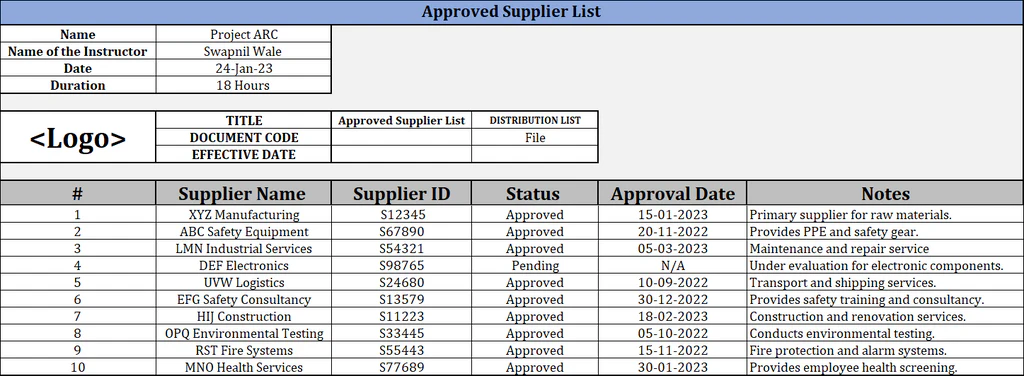
1. Approved supplier list
- Criteria for supplier approval
- Evaluation records
- Performance monitoring
- Re-evaluation triggers
2. Purchase order controls
- Clear specification of requirements
- Reference to applicable specifications
- Quality requirements (material certs, inspection reports)
- Approved suppliers only
3. Incoming inspection
- Receiving inspection procedures
- Material certification verification
- Dimensional/layout inspection as appropriate
- Nonconforming material segregation
4. Supplier performance
- On-time delivery tracking
- Quality metrics (defects, returns)
- Periodic supplier reviews
- Corrective action when needed
Inspection and Testing
Inspection in job shops must balance thoroughness with practicality.
Inspection planning:
1. Inspection plans
- Define what to inspect (characteristics)
- Define when to inspect (in-process, final, receiving)
- Define how to inspect (method, equipment)
- Define acceptance criteria
2. Inspection resources
- Calibrated measurement equipment
- Qualified inspectors
- Appropriate environment
- Documented procedures
3. Inspection records
- Objective evidence of conformity
- Measurement data
- Inspector identification
- Date and job reference
Job shop inspection strategy:
- Risk-based approach: More inspection for critical characteristics, new processes, or problem history
- First-piece inspection for setup verification
- In-process checks at operations where defects are likely
- Final inspection before shipment
- Layout inspection for first articles or complex parts

Control of Nonconforming Outputs
Nonconforming products are inevitable in manufacturing. The key is controlled handling.
Nonconformance process:
1. Identification
- Clear labeling or tagging
- Physical segregation
- Electronic system flagging
2. Documentation
- Nonconformance report
- Description of defect
- Quantity affected
- Job/customer reference
3. Disposition
- Rework (with re-inspection)
- Repair (with customer approval if required)
- Scrap
- Concession/use-as-is (with customer approval)
4. Corrective action
- Root cause analysis
- Action to prevent recurrence
- Verification of effectiveness
Job shop consideration: Given job variety, root cause analysis should distinguish between:
- Job-specific causes (one-time issues)
- Systemic causes (recurring problems requiring process changes)
Step 5: Build Measurement and Improvement Systems
Monitoring and Measurement
ISO 9001 requires monitoring and measurement of QMS performance. For job shops, focus on metrics that drive improvement.
Key metrics for job shops:
| Metric Category | Examples | Purpose |
| Customer Satisfaction | On-time delivery, quality complaints, returns, surveys | External performance view |
| Internal Quality | First-pass yield, scrap rate, rework hours, defect Pareto | Process effectiveness |
| Efficiency | Quote win rate, setup time, throughput, utilization | Operational performance |
| Supplier Performance | On-time delivery, quality acceptance, lead times | Supply chain health |
| QMS Effectiveness | Audit findings, corrective actions, training completion | System health |
2. Automate where possible – Use job shop software/ERP for data collection.
3. Visual management – Post key metrics where employees see them.
4. Trend analysis – Look at trends over time, not just current numbers.
5. Action-oriented – Metrics should drive action, just data collection.
Internal Audit
Internal audits verify that the QMS is effectively implemented and maintained.
Job shop audit approach:
1. Risk-based audit program
- Focus on high-risk processes
- Vary depth based on process importance and history
- Include customer-complaint areas
2. Practical audits
- Talk to people doing the work
- Observe actual practices vs. documented procedures
- Review records for evidence
- Look for improvement opportunities, not just compliance
3. Competent auditors
- Train internal auditors
- Ensure objectivity (don’t audit own work)
- Provide auditor resources/tools
4. Effective reporting
- Clear audit findings
- Root cause analysis
- Corrective action tracking
- Management review of audit results
Management Review
Management review is the mechanism for ensuring the QMS remains suitable, adequate, and effective.
Inputs to management review:
1. Status of actions from previous reviews
2. Changes in external/internal issues relevant to QMS
3. Information on performance and trends:
- Customer satisfaction
- Quality performance
- Process performance
- Product conformity
- Supplier performance
- Audit results
4. Adequacy of resources
5. Effectiveness of actions taken
6. Risks and opportunities
Outputs from management review:
- Opportunities for improvement
- Changes needed to QMS
- Resource needs
Job shop tip: Keep management reviews practical and focused. Don’t just review data, make decisions about improvements needed.
Continuous Improvement
ISO 9001 requires continual improvement of the QMS suitability, adequacy, and effectiveness.
Improvement sources:
- Customer feedback – Complaints, surveys, returns
- Internal issues – Nonconformances, audit findings
- Data analysis – Trends, patterns, opportunities
- Risk assessment – Emerging risks requiring action
- Management review – Strategic improvement decisions
- Technology – New capabilities enabling improvement
Job shop improvement priorities:
Given resource constraints, focus improvement efforts on:
- Recurring problems (high-impact, frequent issues)
- Customer-critical processes
- Bottlenecks constraining throughput
- Areas with high variability or uncertainty
Practical improvement tools:
- Pareto analysis (focus on vital few)
- 5-Why analysis (simple root cause)
- Process mapping (understand current state)
- PDCA cycle (Plan-Do-Check-Act)
Step 6: Prepare for Certification (If Desired)
Certification vs. Implementation-Only
ISO 9001 implementation provides value regardless of certification. Consider:
Implementation without certification:
- Lower cost (no certification body fees)
- No external audit pressure
- Self-declaration of conformity
- May satisfy some customers
- Full internal benefits of structured QMS
Certification:
- Third-party validation
- Often required by major OEMs
- Marketing advantage
- External audit discipline
- Continuous improvement pressure
Certification Process Overview
If pursuing certification:
1. Select certification body
- Accredited body (ANAB, UKAS, etc.)
- Industry experience
- Competitive pricing
- Geographic coverage
2. Stage 1 audit (documentation review)
- Auditor reviews documentation
- Identifies major gaps
- Provides improvement opportunities
- Must complete before Stage 2
3. Stage 2 audit (implementation audit)
- On-site audit of full QMS
- Interviews with personnel
- Observation of processes
- Review of records
- Identification of nonconformities
4. Certification decision
- Corrective actions for any nonconformities
- Certification body review
- Certificate issuance (if approved)
5. Surveillance audits
- Annual audits to maintain certification
- Partial QMS coverage each visit
- Full QMS over 3-year cycle
Job Shop Certification Tips
Before the audit:
- Conduct internal audit to find and fix issues
- Ensure records are complete and organized
- Brief employees on auditor interactions
- Prepare examples of continuous improvement
During the audit:
- Be honest and transparent
- Show how you meet requirements (not just documents)
- Demonstrate process knowledge
- Address findings promptly
Common job shop nonconformities:
- Inadequate job planning documentation
- Missing inspection records
- Incomplete corrective actions
- Training records gaps
- Document control issues

Step 7: Maintain and Improve Your QMS
The Real Work Begins After Implementation
Implementing ISO 9001 is not a project with an end date, it’s the very beginning of a continuous journey. The initial implementation creates the framework; ongoing operation refines and improves it.
Maintenance activities:
- Regular internal audits (quarterly or semi-annually)
- Management reviews (quarterly recommended)
- Corrective action follow-up
- Document updates as processes change
- Training for new employees
- Customer feedback monitoring
- Metrics review and improvement
Evolving Your QMS
As your job shop grows and changes, your QMS should evolve:
Triggers for QMS updates:
- New processes or capabilities
- New customer requirements
- New regulatory requirements
- Organizational changes
- Technology changes
- Continuous improvement findings
Avoiding QMS stagnation:
- Regular reviews of documentation relevance
- Employee feedback on system effectiveness
- Benchmarking against best practices
- Staying current with ISO 9001 interpretations
- Incorporating lessons learned
Sustaining Engagement
The biggest challenge in QMS maintenance is sustaining employee engagement over time.
Strategies for ongoing engagement:
1. Connect to business results
- Show how QMS improvements reduce costs
- Highlight quality wins
- Share customer compliments
2. Recognize contributions
- Employee suggestions
- Problem-solving efforts
- Audit participation
3. Keep it practical
- Eliminate non-value-added bureaucracy
- Update documents that aren’t working
- Streamline processes based on experience
4. Leadership visibility
- Regular management presence on shop floor
- Participation in improvement activities
- Communication of quality importance
Common Pitfalls and How to Avoid Them
Pitfall 1: Over-Documentation
The mistake: Creating extensive documentation that employees don’t use because it doesn’t reflect reality or add value.
The solution: Start with minimal documentation and add only where necessary for consistency or compliance. Focus on useful documents that solve problems.
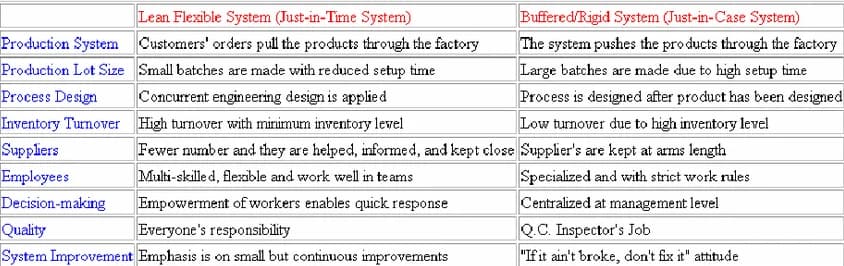
Pitfall 2: Ignoring Job Shop Realities
The mistake: Applying production-oriented QMS approaches that don’t fit job shop variability.
The solution: Design your QMS specifically for job shop operations. Separate general procedures from job-specific instructions. Build flexibility into the system.
Pitfall 3: Documentation Without Implementation
The mistake: Creating beautiful documents that sit on shelves while operations continue unchanged.
The solution: Implement processes first, document second. Ensure training and adherence. Regular audits should verify actual practice, not just document existence.

Pitfall 4: Treating Certification as the Goal
The mistake: Focusing on passing the audit rather than building a quality culture.
The solution: View certification (if pursued) as validation of effective practices, not the endpoint. Focus on continuous improvement and business results.
Pitfall 5: Inadequate Training
The mistake: Assuming employees understand new processes without proper training.
The solution: Invest in comprehensive training. Verify understanding. Provide ongoing coaching and support.
Pitfall 6: Neglecting Customer Focus
The mistake: Focusing on internal processes while losing sight of customer needs.
The solution: Build customer feedback into your QMS. Regularly review customer satisfaction. Ensure processes ultimately serve customer requirements.
FAQ: Job Shop Manufacturing and ISO 9001 QMS
1. What is job shop manufacturing in simple terms?
Job shop manufacturing refers to a production environment focused on custom, low-volume work where each job may have unique specifications, processes, and routing. Unlike mass production, job shops prioritize flexibility and adaptability to meet diverse customer requirements.
2. Why is ISO 9001 important for job shop manufacturers?
ISO 9001 provides a structured framework to ensure consistent quality, improve processes, and build customer trust. For job shops, it helps manage complexity, reduce variability, and meet the strict requirements of industries such as automotive, aerospace, and industrial manufacturing.
3. Can ISO 9001 work in a high-mix, low-volume environment?
Yes, when it is implemented correctly. Instead of rigid, production-style systems, job shops should adopt a flexible QMS structure that separates general procedures from job-specific work instructions. This approach maintains control while allowing operational agility.
4. What are the biggest challenges of implementing ISO 9001 in a job shop?
Common challenges include:
- High variability in processes and routing
- Increased documentation requirements for each job
- Complex planning and scheduling
- Managing diverse customer specifications
A tailored, risk-based approach is essential to overcome these challenges effectively.
5. How long does it take to implement ISO 9001 in a job shop?
Most job shops require approximately 6–12 months for full implementation, depending on current process maturity, resource availability, and whether certification is pursued.
6. What documents are required for ISO 9001 in job shop manufacturing?
Key documents typically include:
- Quality policy and objectives
- Process procedures (quoting, planning, purchasing, inspection)
- Job-specific work instructions
- Inspection and quality records
- Corrective action and audit records
The goal is to keep documentation practical, usable, and aligned with real operations.
7. How does ISO 9001 improve customer satisfaction?
ISO 9001 improves customer satisfaction by:
- Ensuring consistent product quality
- Reducing defects and rework
- Improving on-time delivery
- Creating clear communication and requirement review processes
This leads to stronger long-term customer relationships.
8. Is ISO 9001 certification required to win manufacturing contracts?
In many industries, especially automotive, aerospace, and medical, ISO 9001 certification is either required or strongly expected. Even in general industrial sectors, it significantly enhances credibility and competitiveness.
9. How does ISO 9001 support sourcing and manufacturing in Southeast Asia?
ISO 9001 provides international quality assurance, making it easier for global buyers to trust suppliers across regions. This is particularly important for companies involved in forging in Vietnam, where buyers expect strong documentation, traceability, and consistent process control.
10. What is the key to a successful ISO 9001 implementation in a job shop?
The most important factor is designing a system that fits your operations, not forcing your operations to fit a rigid system. A successful QMS should be:
- Practical and easy to use
- Flexible for different jobs
- Focused on real process improvement
- Supported by leadership and employees
Conclusion: Building a QMS That Works for Your Job Shop
Implementing ISO 9001 in a job shop manufacturing environment presents unique challenges, but also unique opportunities. The key is designing a quality management system that:
1. Acknowledges job shop variability rather than fighting it
2. Provides flexible frameworks that adapt to diverse jobs
3. Focuses on practical value rather than bureaucratic compliance
4. Engages employees in quality improvement
5. Drives continuous improvement in both quality and efficiency
6. Serves customer needs consistently despite operational complexity
The step-by-step approach outlined in this guide, leadership commitment, gap analysis, documentation design, process controls, measurement systems, certification preparation, and ongoing maintenance, provides a roadmap for successful implementation.
Remember: The goal is not a perfect QMS on paper, but a quality management system that improves your ability to deliver excellent custom manufacturing to your customers, including in competitive sectors such as Forging Vietnam. Start with that principle, and build a system that serves your business rather than burdening it.
With thoughtful implementation tailored to job shop realities, ISO 9001 becomes not a constraint but a competitive advantage that enables you to demonstrate capability, win new business, reduce costs, and continuously improve in the dynamic world of custom manufacturing, particularly within the Forging industry in Vietnam.
About Align Manufacturing
Align Manufacturing provides precision CNC machining and fabrication services with ISO 9001-certified quality management systems. We specialize in custom components for automotive, aerospace, medical, and industrial applications.
Related Resources:
- [A Complete Guide to Sourcing Forged Components from Vietnam](https://alignmfg.co/a-complete-guide-to-sourcing-forged-components-from-vietnam/)
- [How to Choose the Right Fabrication Partner in Vietnam](https://alignmfg.co/how-to-choose-the-right-fabrication-partner-in-vietnam/)
- [Forged vs Cast: What’s the Real Difference](https://alignmfg.co/forged-vs-cast-whats-the-real-difference-in-strength-and-cost/)