
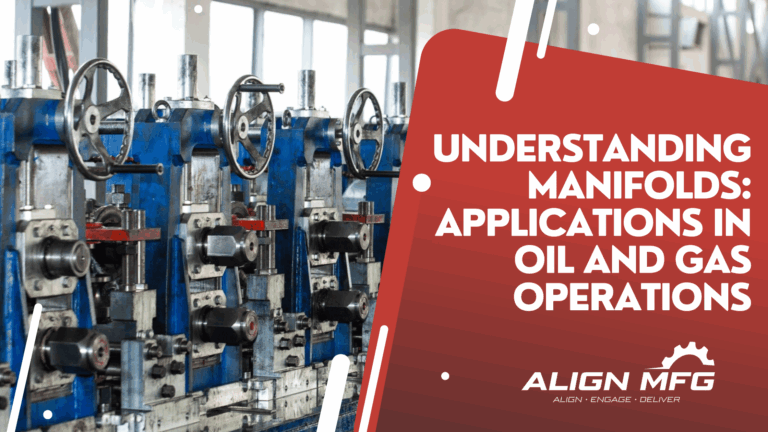
In the oil and gas sector, manifolds are critical assemblies that consist of interconnected valves, pipes, and fittings. Their primary function is to control, distribute, and monitor the flow of fluids, such as oil, gas, and water, during various phases of operations, including exploration, drilling, production, and processing. By efficiently managing fluid flow, manifolds ensure…
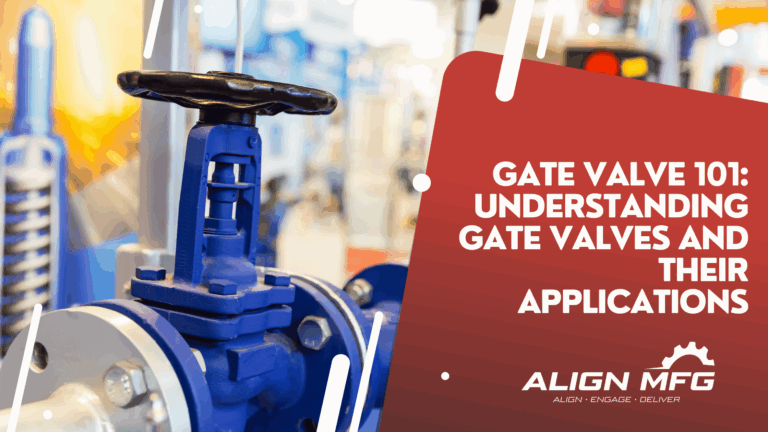
Gate valves are essential components in fluid control systems, designed primarily to start or stop the flow of liquids through pipelines. These valves operate by lifting a gate out of the fluid’s path, providing a straight-through passage when fully open, which results in minimal pressure drop. This characteristic makes gate valves ideal for applications requiring…
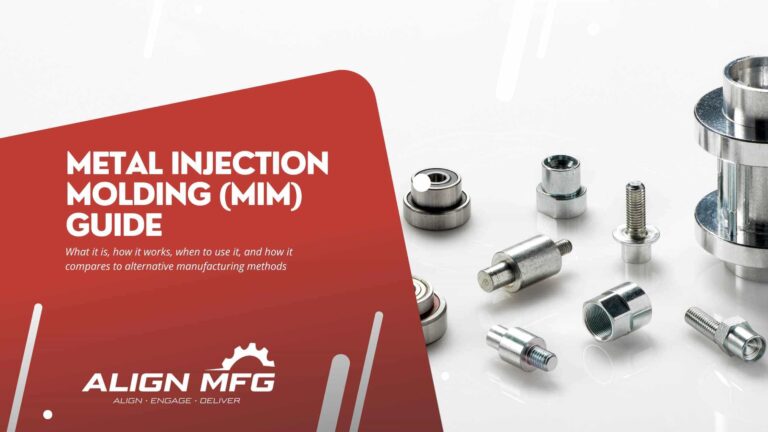
What it is, how it works, when to use it, and how it compares to alternative manufacturing methods Why MIM Matters in Modern Manufacturing As consumer products become more compact, functional, and refined, the components inside them must meet higher standards—mechanically and visually. That’s where Metal Injection Molding (MIM) stands out. MIM is a modern…
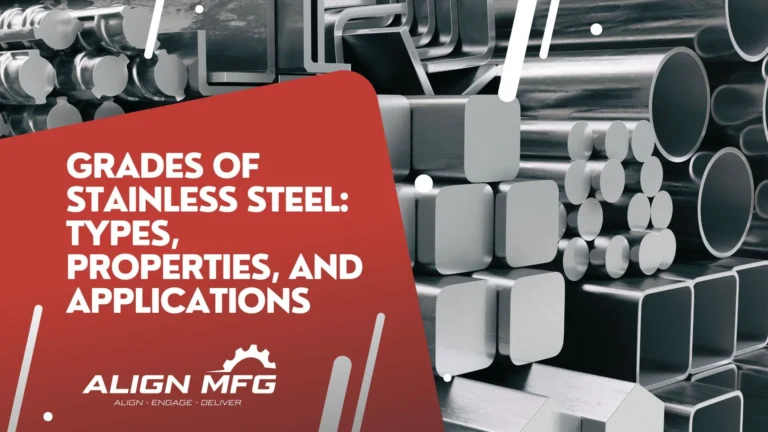
Stainless steel is a versatile and corrosion-resistant alloy composed primarily of iron, chromium, and other elements such as nickel, molybdenum, and carbon. Its unique properties make it indispensable across various industries, including construction, automotive, medical, and kitchenware. The specific grades of stainless steel determine their mechanical properties, corrosion resistance, and suitability for particular applications. Stainless…
Metal casting has shaped human civilization since 4000 BC , evolving from ancient bronze statues to today’s precision-engineered components. In the modern world, this transformative process-where molten metal is poured into carefully designed molds-drives a global industry worth over Us$179.08 billion. Custom castings represent the cutting edge of this field, where advanced engineering meets ancient…
Welding cast iron is a specialized process that requires careful attention due to its unique properties. This elevated carbon level makes cast iron prone to cracking and other challenges during welding. In this article, we will explore the definition of cast iron, the challenges associated with welding it, effective techniques, and best practices to ensure…
Cast aluminum is more than just a material; it’s a versatile cornerstone in the manufacturing world, enabling the creation of products that shape our everyday life. From the car you drive to the pots and pans in your kitchen, cast aluminum plays a pivotal role. This blog post will guide you through the essence of…
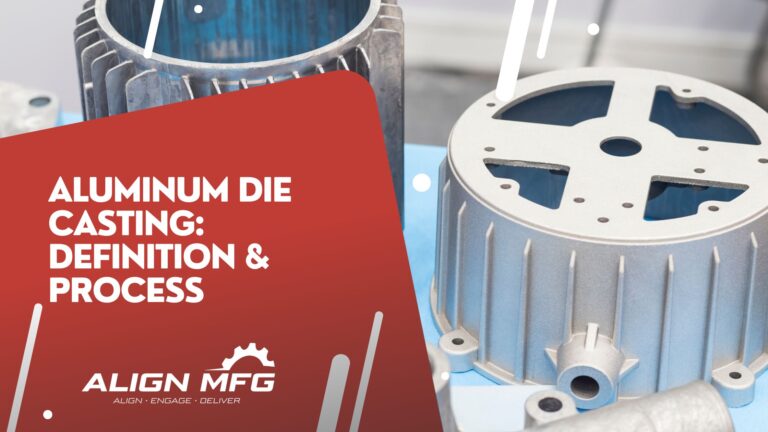
Key Takeaways: Aluminum Die Casting Aspect Key Details What It Is A manufacturing process that produces smooth, textured, and precise metal parts. How It Works Involves forcing molten aluminum into a steel mold (die) using high-pressure systems. Key Properties – Corrosion resistance– High thermal and electrical conductivity– Good stiffness and strength-to-weight ratio. Advantages – Lightweight…
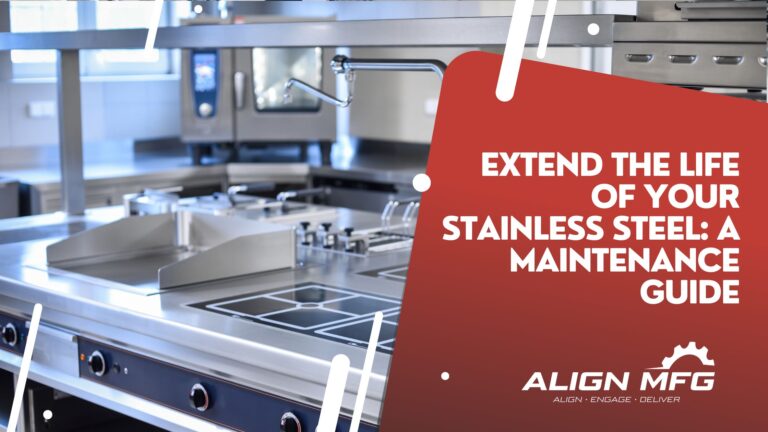
Stainless steel is a versatile and durable material that has become a staple in both industrial and consumer applications. Whether used in kitchen appliances, architectural elements, or medical equipment, the aesthetic appeal and functionality of stainless steel make it a popular choice. However, to preserve its shine and integrity, proper maintenance is essential. . This…
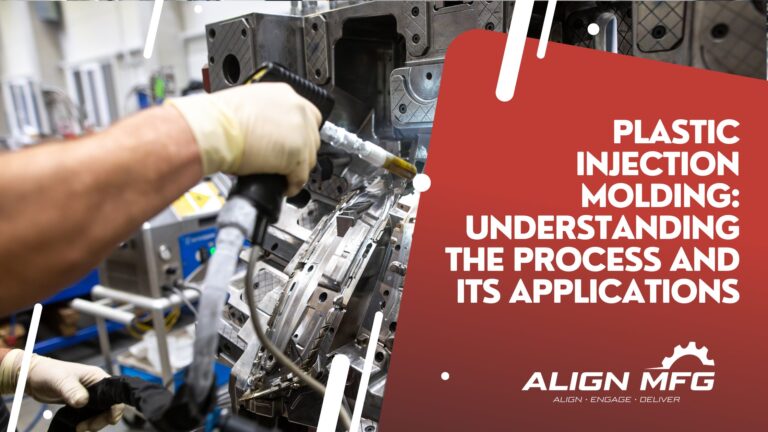
Plastic is an indispensable part of our daily lives, shaping everything from simple household items to complex medical devices. In this blog post, we’ll delve into the basics of plastic injection molding, how it works, and why it’s such a crucial technique in modern manufacturing. What is Plastic Injection Molding? Plastic injection molding is a…